In a scholarly achievement that highlights the profound cultural heritage of Iraq, Dr. Anmar Abd Al-Ilah Fadel, a faculty member and researcher in ancient Iraqi languages and civilizations at the College of Arts, University of Baghdad, has succeeded in deciphering an ancient Babylonian hymn that had remained obscure and silent for centuries.
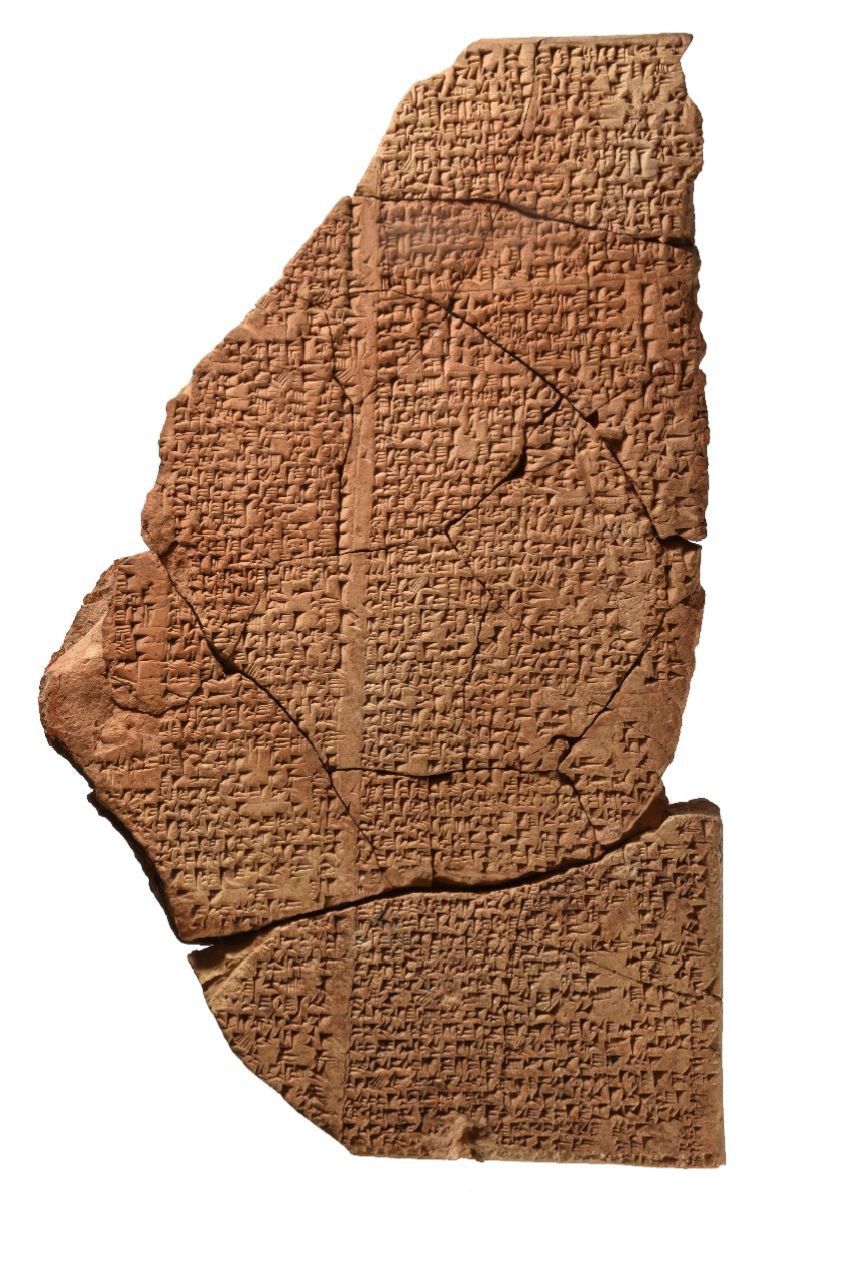
The hymn, which glorifies the national Babylonian god Marduk, consisted of fragmented clay tablets inscribed in a complex literary language. By employing advanced artificial intelligence technologies, the lost lines were reinterpreted, and the hymn’s symbolic meanings were reconstructed with unprecedented precision.
The translations reveal that the hymn portrays Marduk as the creator and savior of the universe, a god of justice and mercy, and a victorious leader in the mythical battle of creation against the forces of chaos and void. It stands as the only known cuneiform text to vividly describe the breathtaking beauty of Babylon, the vital role of the Euphrates River in bringing abundance, and the core values upheld by the Babylonians justice, mercy, generosity, freedom, and human dignity.
This scientific milestone was achieved through a collaborative effort between Dr. Anmar Abd Al-Ilah and Spanish scholar Enrique Jiménez of Ludwig Maximilian University of Munich, utilizing the “Electronic Babylonian Library”, an AI-powered platform that contributed significantly to reconstructing various sections of the hymn, originally written in the Babylonian language.
The discovery has received wide international acclaim, as it marks a major breakthrough in the field of cuneiform studies and enriches our understanding of Babylonian religion, literature, and the Mesopotamian worldview regarding cosmic order and creation. This unique accomplishment reflects the pioneering role of the University of Baghdad in preserving Iraq’s heritage and advancing scientific leadership, adding substantial value to Babylonian studies at both the national and international levels.
Moreover, this achievement aligns with two Sustainable Development Goals (SDGs): Goal 4 (Quality Education) and Goal 17 (Partnerships for the Goals), demonstrating how academic collaboration and technological innovation can contribute to global knowledge and cultural preservation.


