
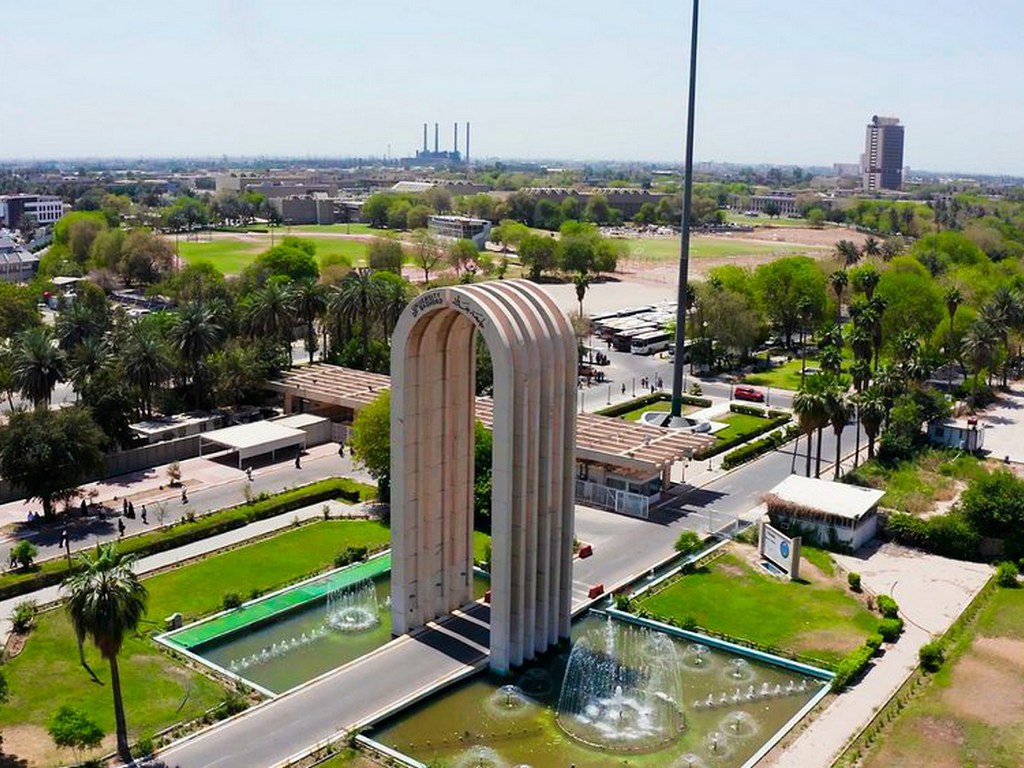
تُعدُّ جامعة بغداد واحدةً من أعرق الجامعات في المنطقة، حيث توفّر بيئة أكاديمية متميزة تسهم في بناء مستقبل طلابها على أسس علمية رصينة. يفتح الالتحاق بالجامعة أمام الطالب أبواب المعرفة والتطوير الذاتي، من خلال برامج دراسية حديثة تواكب التطورات العالمية، وكادر تدريسي مؤهل، ومصادر بحثية متقدمة.
The University of Baghdad is one of the most prestigious universities in the region, providing a distinguished academic environment that helps shape students' futures on solid scientific foundations. Enrolling in the university opens doors to knowledge and self-development through modern academic programs, a highly qualified faculty, and advanced research resources.

Students at the University of Baghdad benefit from numerous opportunities, including enhancing their academic and research skills, participating in scientific conferences, and engaging in extracurricular activities that foster leadership and social abilities. Additionally, they can access the university’s Digital Repository, which facilitates access to research and scientific resources, enriching their learning and innovation experiences.
Students at the University of Baghdad benefit from numerous opportunities, including enhancing their academic and research skills, participating in scientific conferences, and engaging in extracurricular activities that foster leadership and social abilities. Additionally, they can access the university’s Digital Repository, which facilitates access to research and scientific resources, enriching their learning and innovation experiences.
Academic rigor is one of the fundamental pillars that distinguish the University of Baghdad, as it adheres to the highest standards of academic and research quality to ensure the graduation of competent professionals capable of excelling in various fields. The university’s education system incorporates modern teaching methods that blend theoretical foundations with practical applications, enhancing students’ critical and creative thinking skills.
Academic integrity is one of the fundamental pillars that distinguish the University of Baghdad, as it adheres to the highest standards of academic and research quality to ensure the graduation of competent professionals capable of excelling in various fields. The university’s education system incorporates modern teaching methods that blend theoretical foundations with practical applications, enhancing students’ critical and creative thinking skills.


Our University
The University of Baghdad provides a wide spectrum of undergraduate and postgraduate programs, that cover tuition fees and accommodation for international students from all around the world.
Founded in 1957, the University of Baghdad is one of the largest universities in the Middle East with more than 70,000 students of whom more than 12,000 students are postgraduates. With its 26 colleges and 4 postgraduate institutes, the University of Baghdad offers more than 280 postgraduate programs in different fields and specialities.
Study Channels
- Fully Funded Scholarships: This refers to scholarships for morning studies that cover tuition fees, accommodation, and visa fees for entry into the Republic of Iraq. Students are responsible for application fees and health insurance.
- Partially Funded Scholarships: This refers to scholarships for morning studies that cover 50% of tuition fees, payable in Iraqi dinars or their equivalent in US dollars, and are paid annually for all academic levels.
- Private Tuition Channel (Unfunded): This refers to studies with full tuition fees, payable in Iraqi dinars or their equivalent in US dollars, and are paid annually for all academic levels.
International Student Guide 2026-2027
This guide serves as a comprehensive reference that explains the program’s philosophy, scholarship types, application requirements, admission processes, and available benefits for students seeking to join a reputable and innovative Iraqi academic environment.
Additional Info.
For contact and inquiries
For inquiries regarding the program and scholarships, please contact us via email.
For inquiries regarding accommodation and travel, please contact us via email.
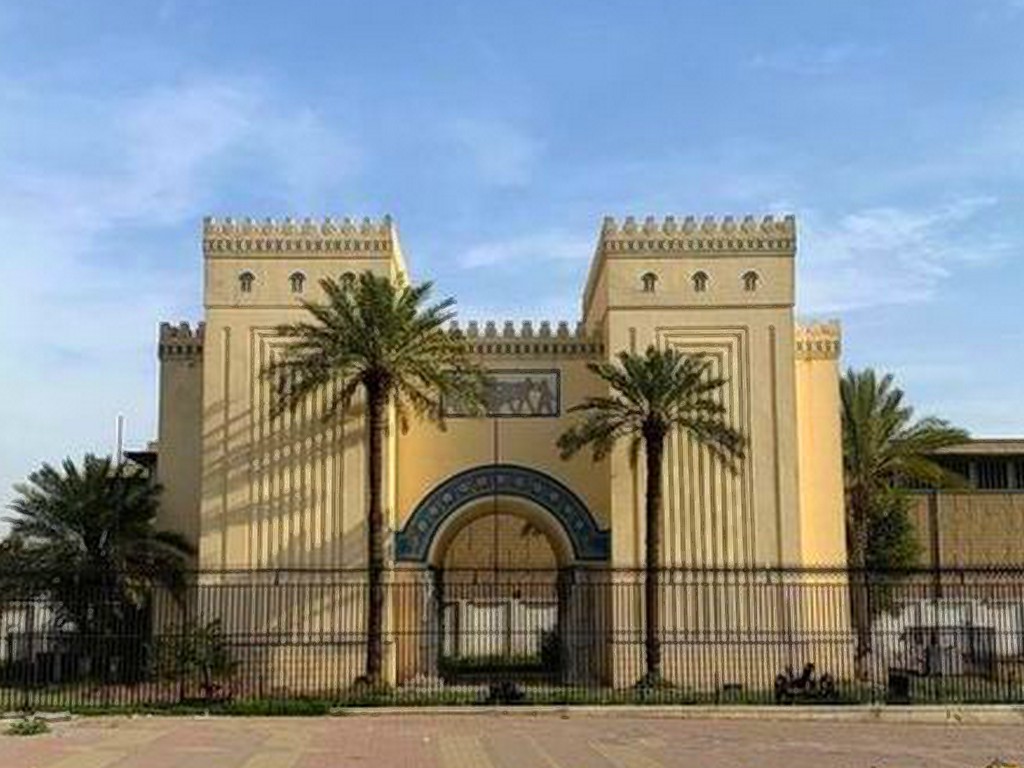
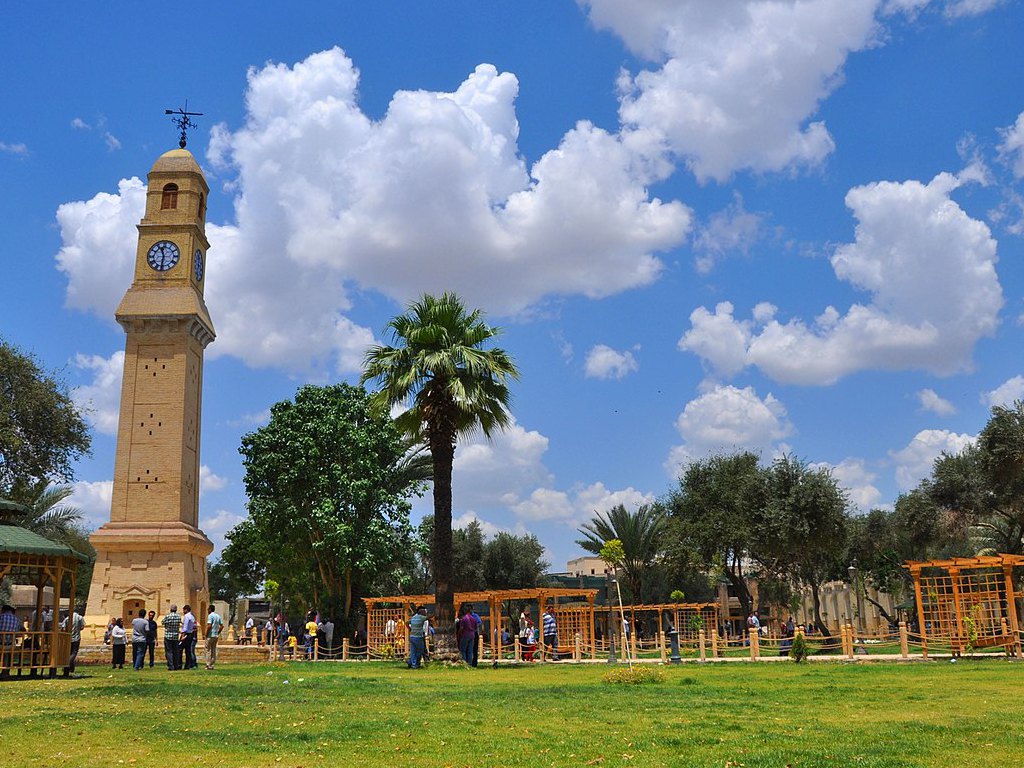
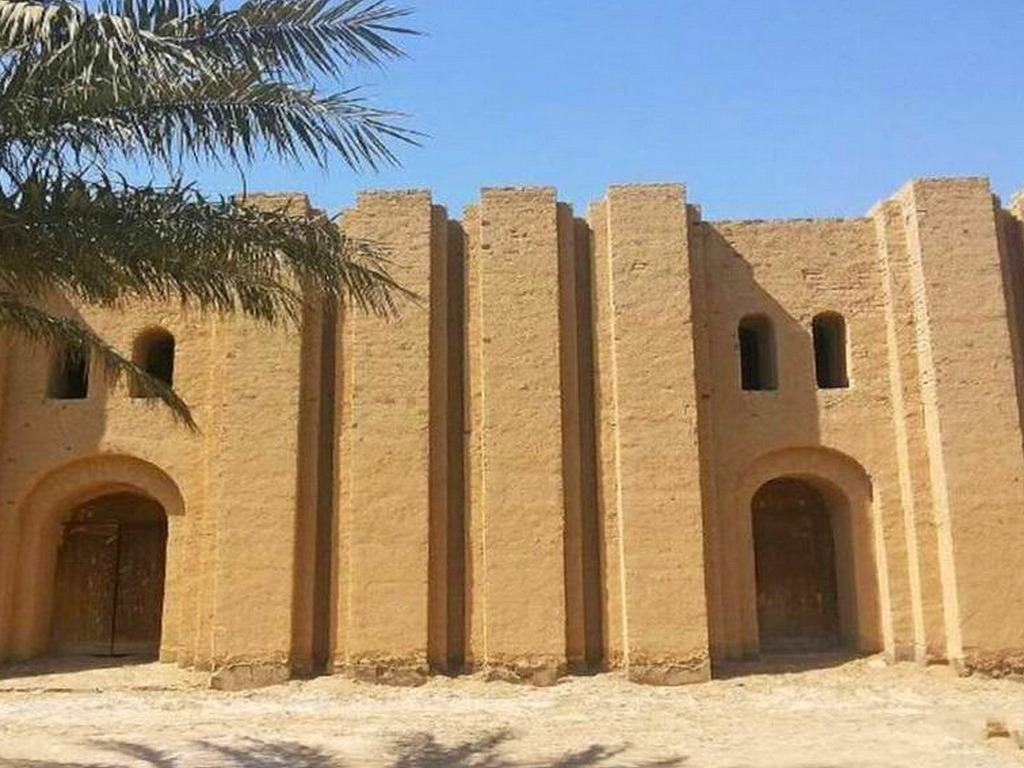
Our City
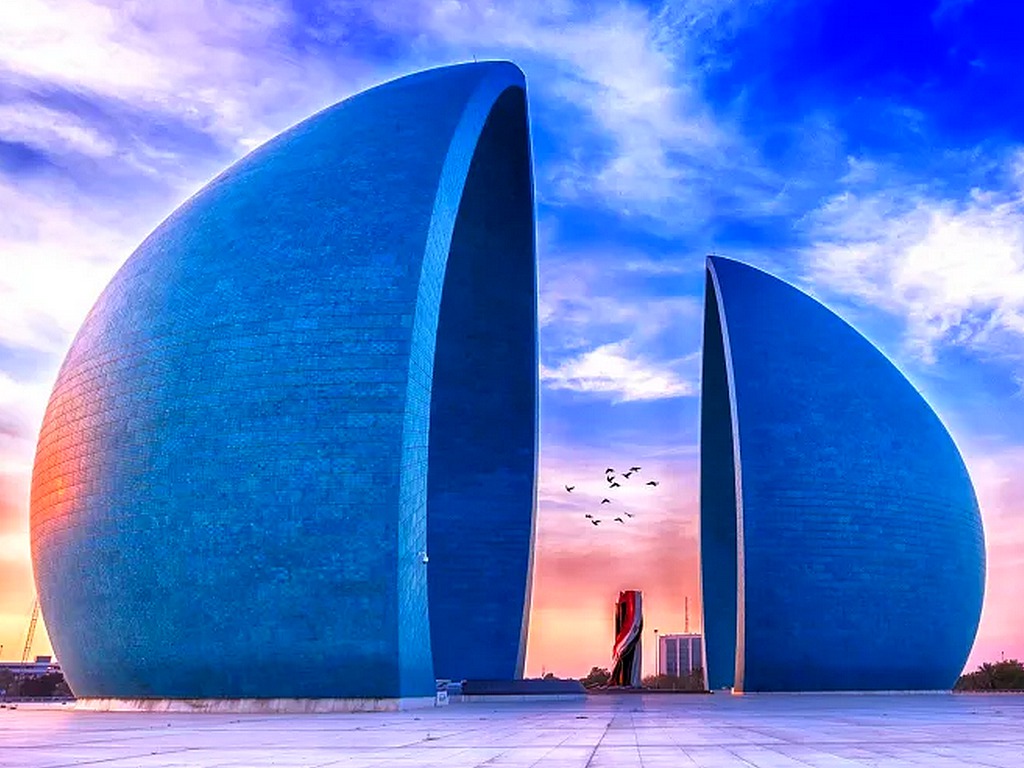
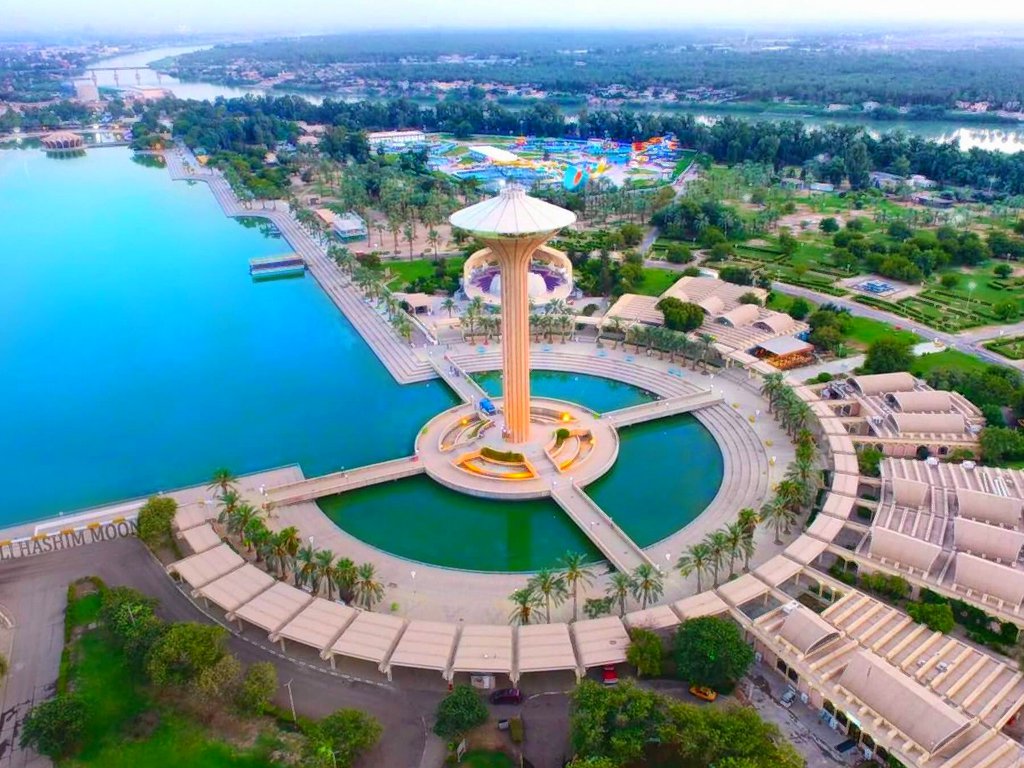
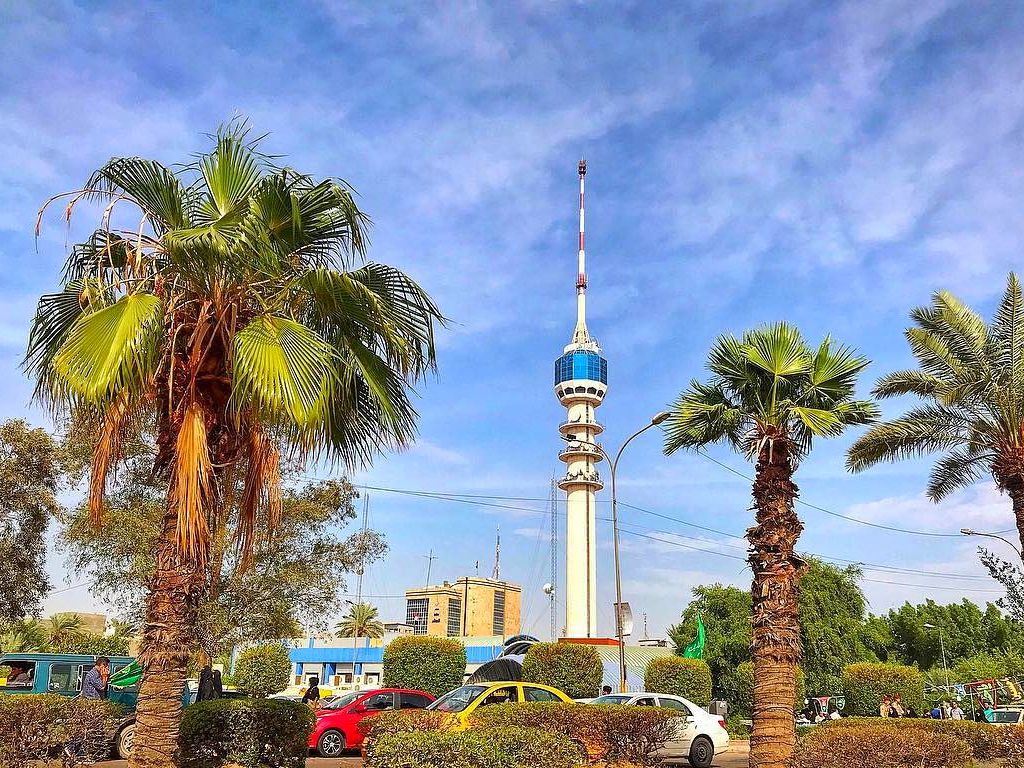
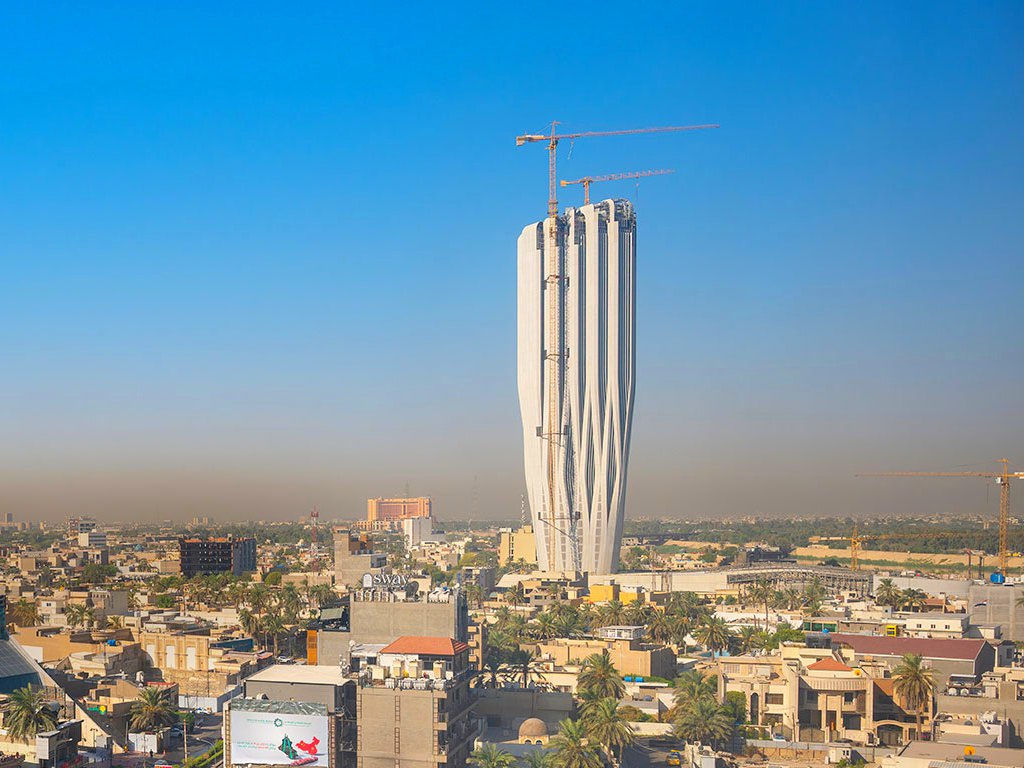
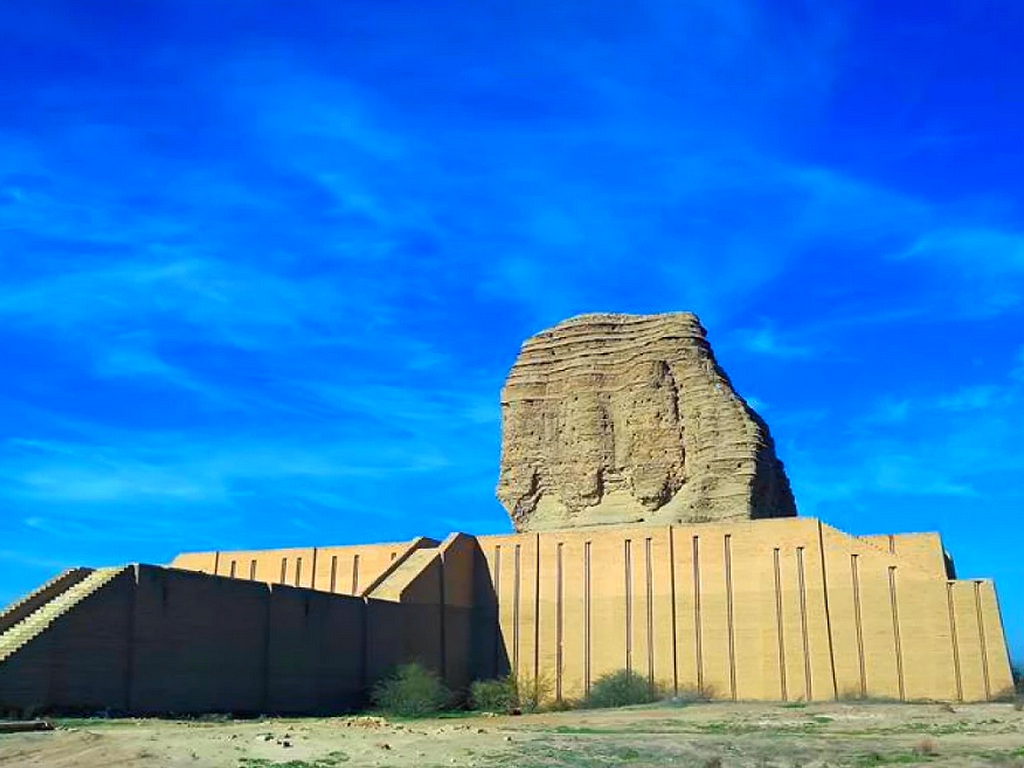
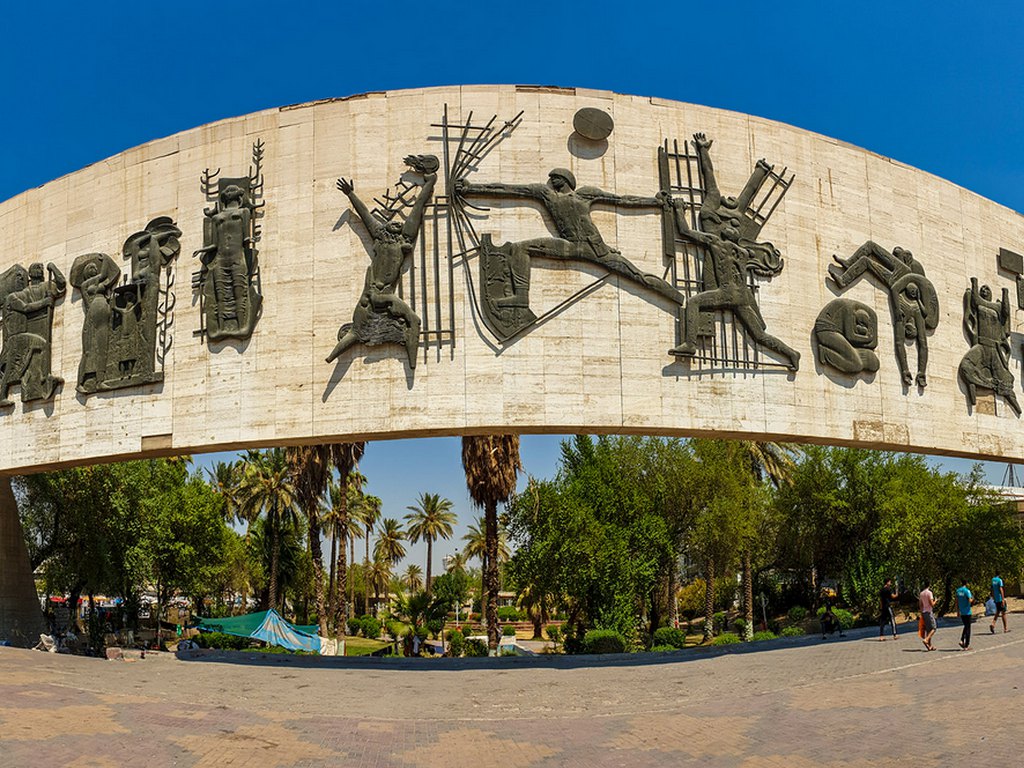
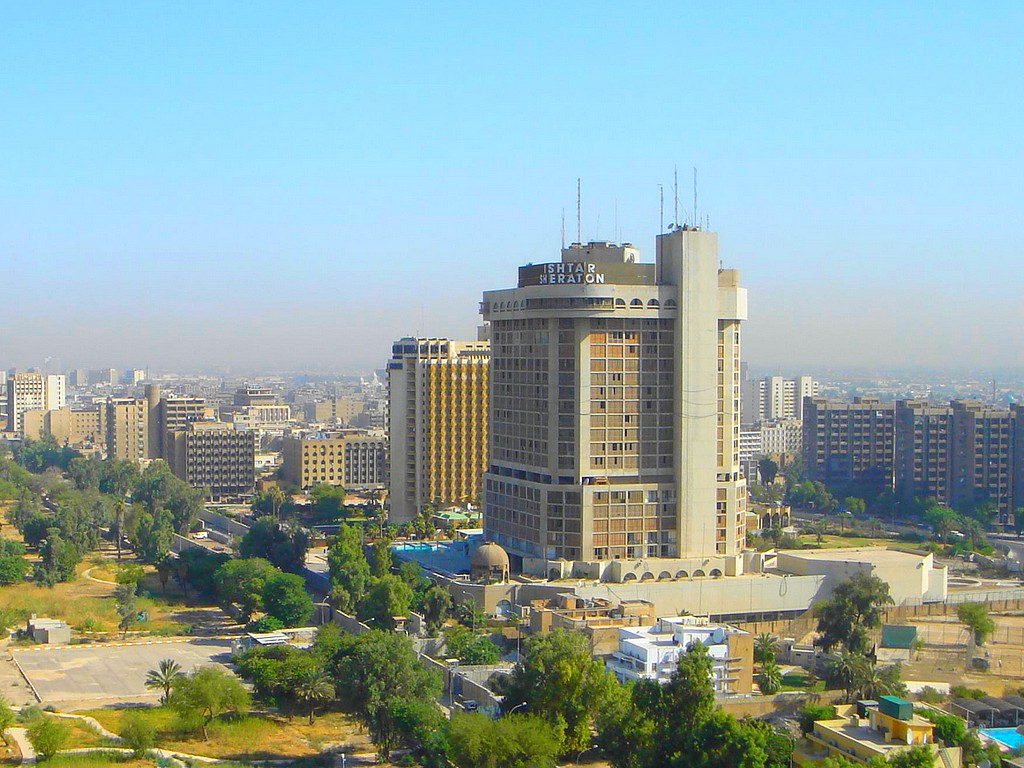
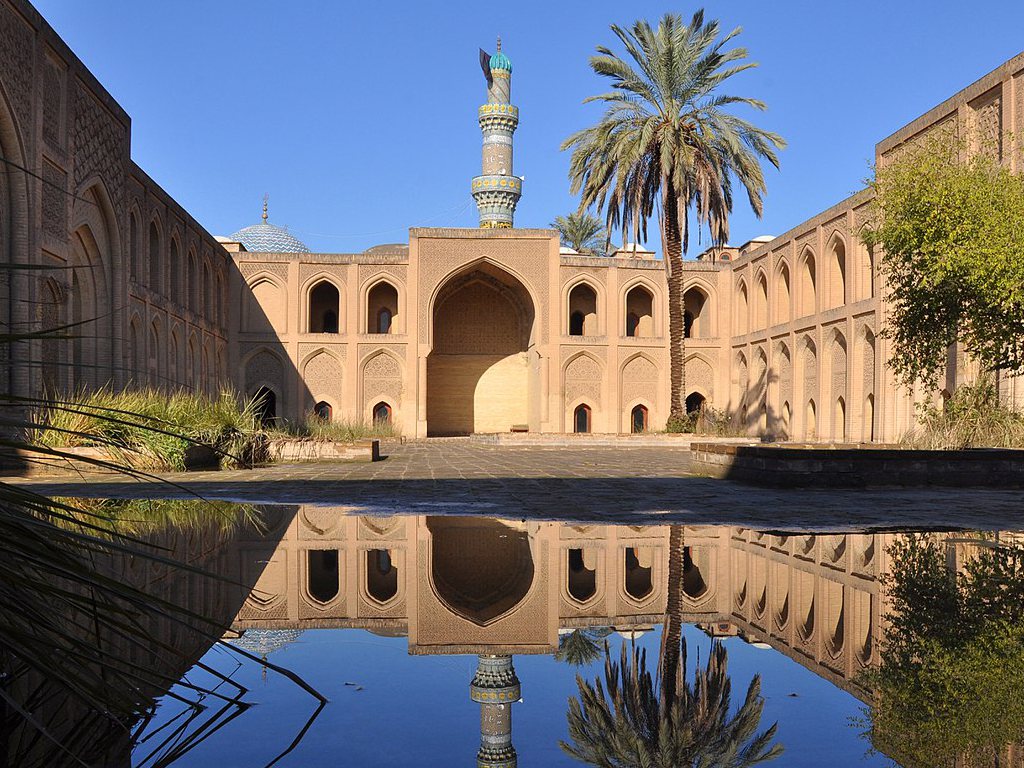
Baghdad is the capital and largest city of Iraq. Located on the banks of the Tigris in central Iraq, it is the capital of the Baghdad Governorate. The city has an estimated population of 8 million and is spread across an area of 673 square kilometres (260 sq mi). It ranks among the most populous and largest cities in the Middle East and the Arab world, constituting 22% of the country’s population. Baghdad is one of the primary financial and commercial centers in the region.
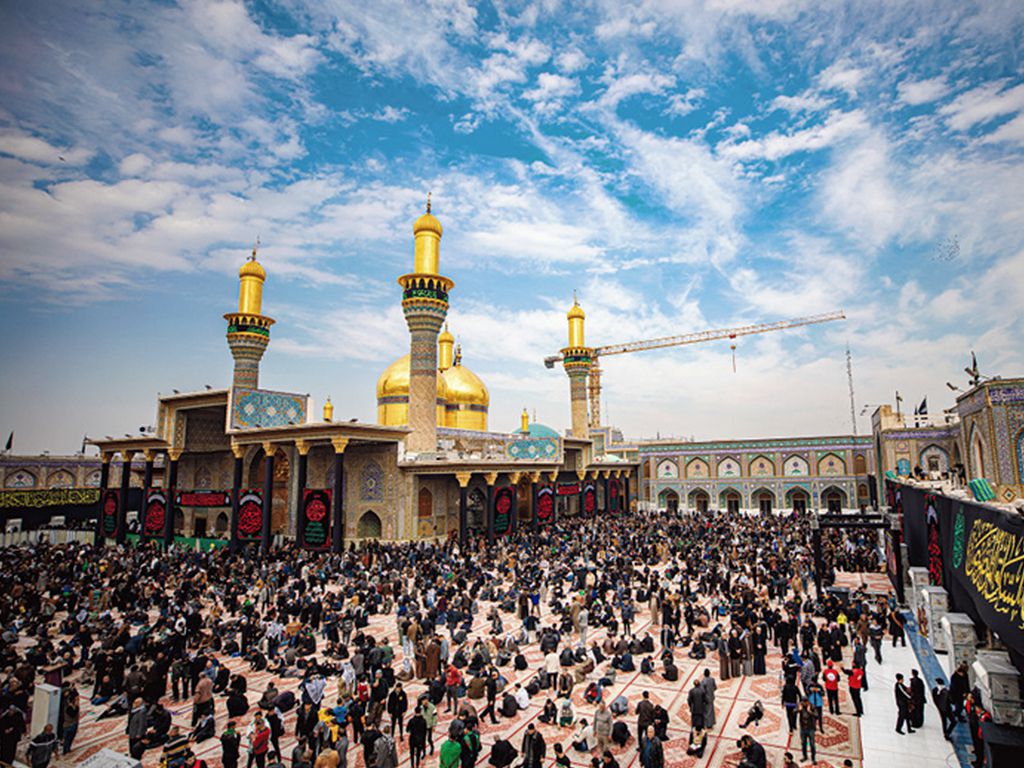
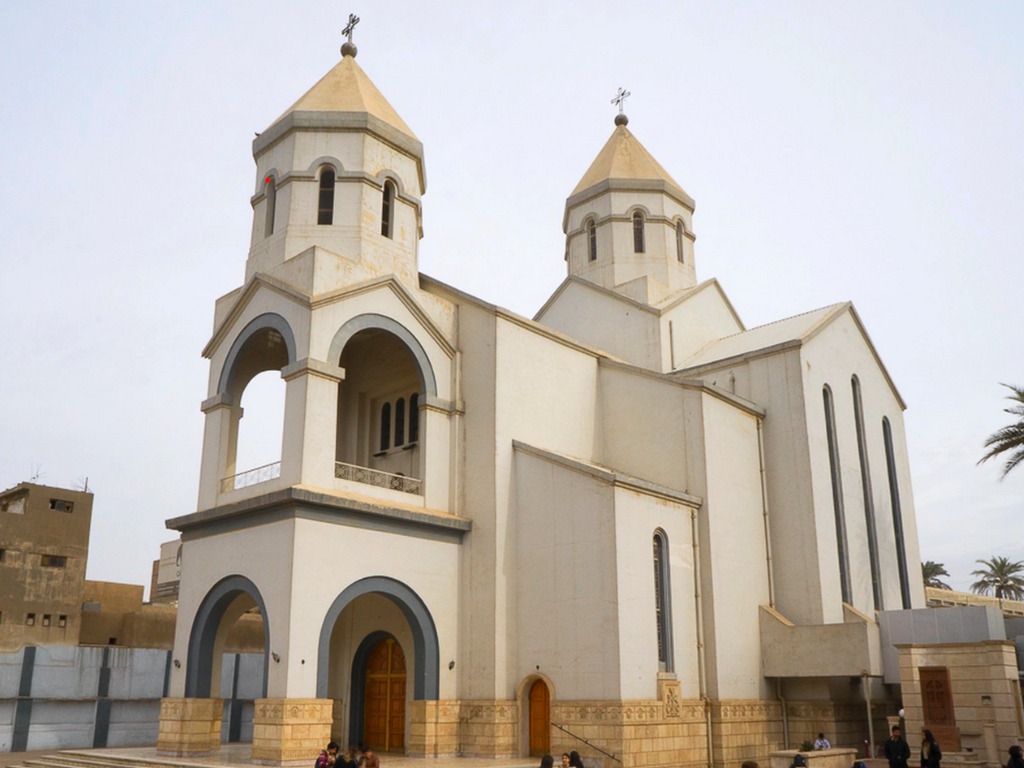
Iraq’s largest city, Baghdad is the seat of government. It generates 40% of the economy of Iraq. A major center of Islamic history, Baghdad is home to numerous historic mosques, as well as churches, mandis and synagogues, highlighting the city’s historical diversity. Religious sites such as Masjid al-Kadhimayn, Buratha Mosque, the Shrine of Abdul-Qadir Gilani and Abu Hanifa Mosque are visited by millions of people annually.
When the Abbasid caliph al-Mansur founded a completely new city for his capital, he chose the name “City of Peace”, which now refers to the Round City of Baghdad proper. By the 11th century, Baghdad became almost the exclusive name for the world-renowned metropolis.
The city is located on a vast plain bisected by the Tigris river. The Tigris splits Baghdad in half, with the eastern half being called “Risafa” and the Western half known as “Karkh”. The land on which the city is built is almost entirely flat and low-lying, being of quaternary alluvial origin due to periodic large flooding of the Tigris river. The Diyala river is a tributary of the Tigris, flowing southeast of the city and bordering its eastern suburbs.
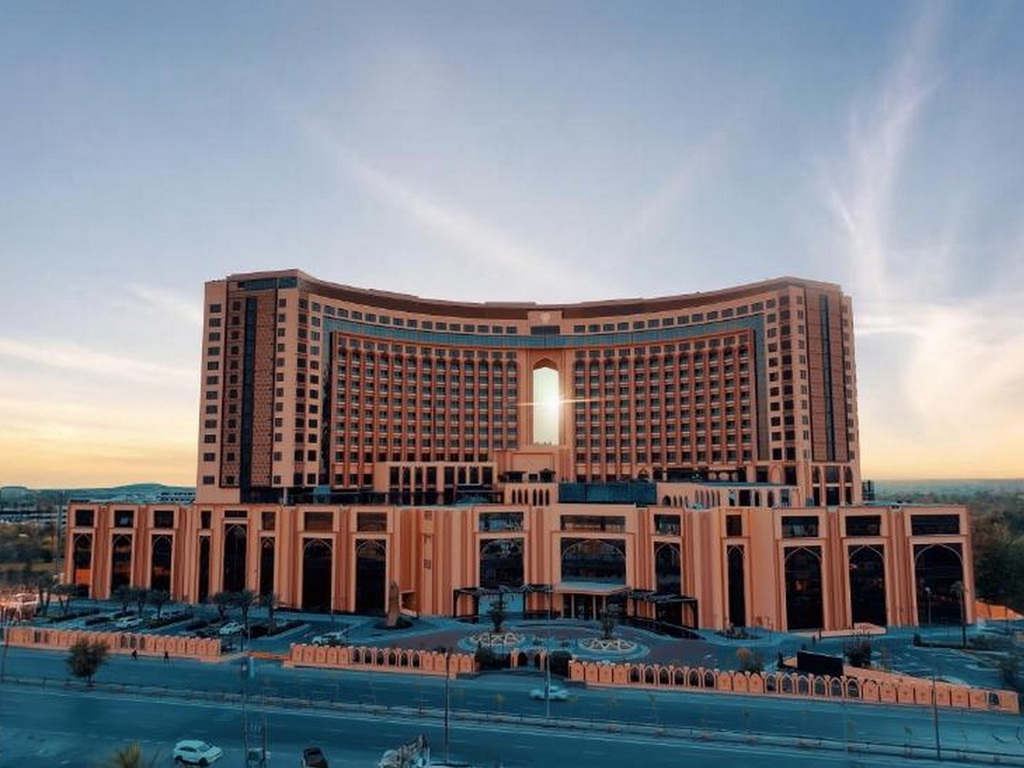
Cost of Living in Baghdad
The cost of living in Baghdad is relatively moderate compared to some regional capitals, varying depending on the type of housing, the neighbourhood, and the level of services required. Basic expenses include rent, food, transportation, communication, and daily necessities. Baghdad offers a variety of housing options to suit students, employees, and visitors, ranging from budget-friendly to more expensive choices, allowing individuals to manage their expenses according to their budget and needs.
To learn about the cost of living in Baghdad, you can visit websites that provide exchange rates, such as NUMBEO.