
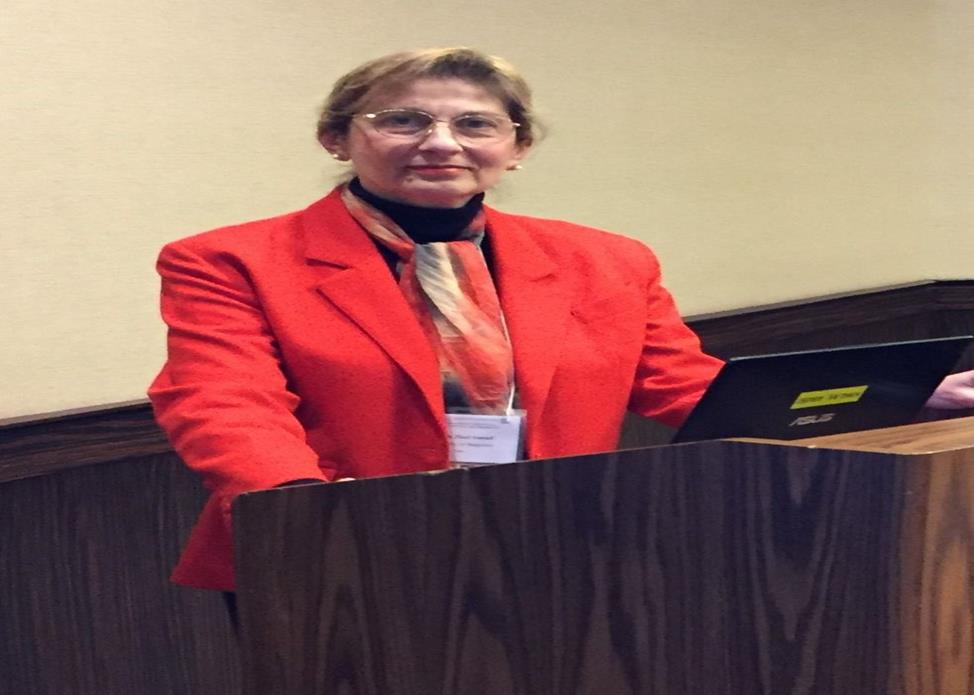
Professor Dr. Zainab Ziyad Ismail from the Department of Environmental Engineering, College of Engineering, and PhD candidate Waad Mohammed Ali have been granted an international patent by the United States Patent and Trademark Office (USPTO) for a distinguished scientific innovation in the field of modern environmental technologies. The patent is titled: “Innovative Application of Garden Cress (Lepidium sativum) as a Novel Biomaterial for Modification of Anode Surfaces to Boost Power Generation in Microbial Fuel Cell.”
This achievement forms part of Waad Mohammed Ali’s doctoral research, which involved utilizing a locally and globally available natural material—garden cress (Lepidium sativum)—in nanoparticle form to enhance the performance of graphite electrodes used in microbial fuel cells. This modification significantly increased the electrode’s efficiency in generating clean electrical energy while improving its suitability for bacterial growth. Consequently, the system’s ability to break down and remove organic pollutants from wastewater was greatly enhanced. The innovation was specifically applied to treat high-organic-load wastewater from hospitals.
The results demonstrated high efficacy in both pollutant removal and renewable energy production, marking a major advancement in sustainable environmental treatment. This accomplishment broadens the scope of scientific research into the use of other natural materials to optimize microbial fuel cells for treating various types of polluted water, whether from industrial or municipal sources.
This initiative supports multiple United Nations Sustainable Development Goals, notably Goal 4 (Quality Education), Goal 15 (Life on Land), and Goal 17 (Partnerships for the Goals).