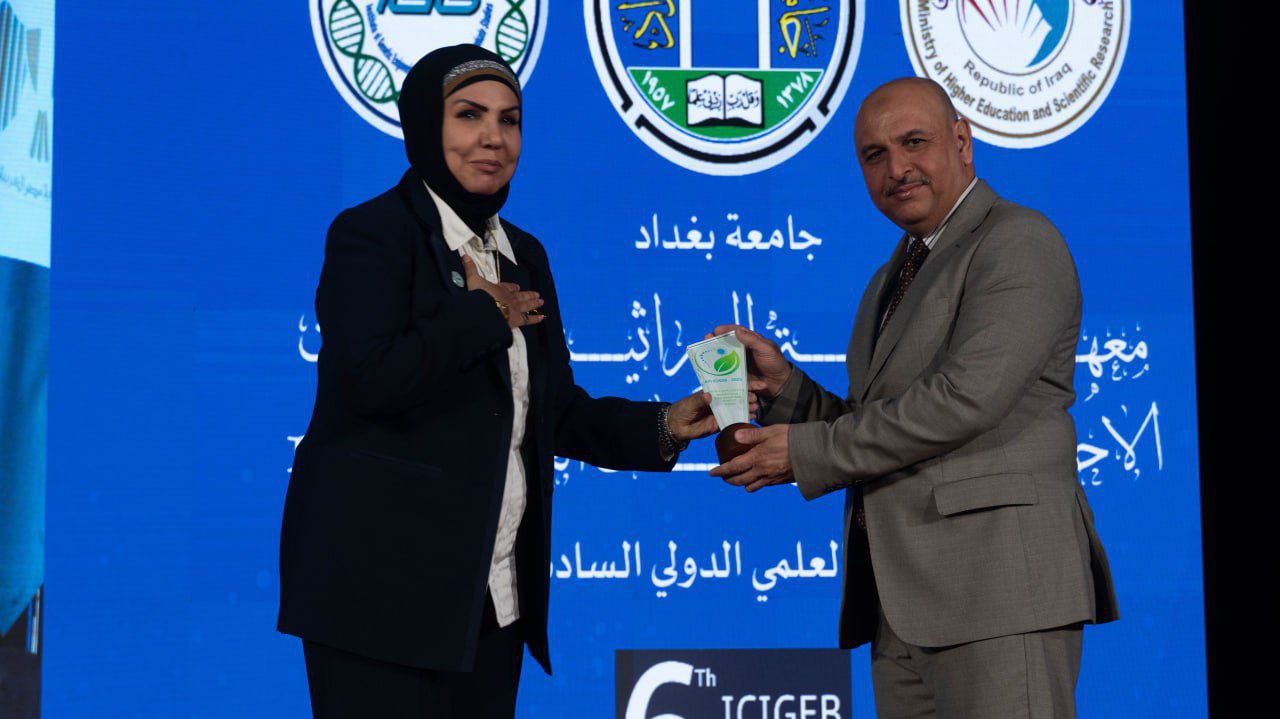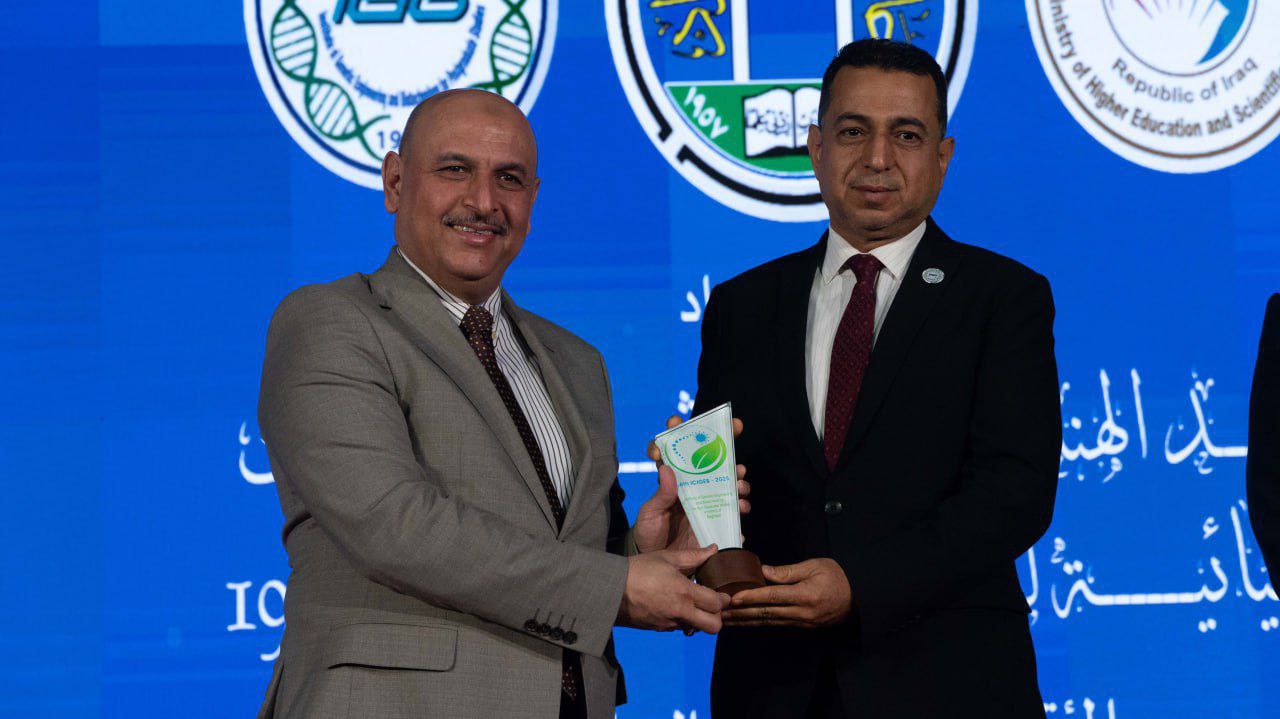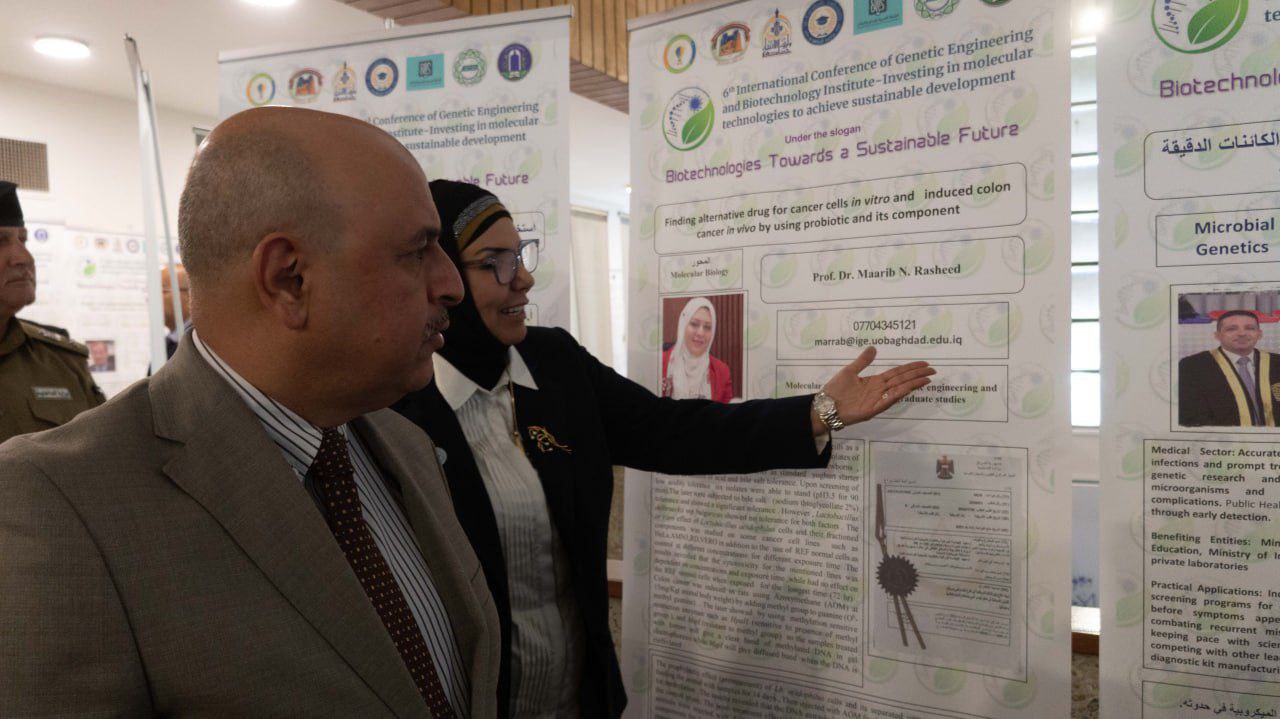

The Institute of Genetic Engineering and Biotechnology at the University of Baghdad organized its Sixth International Scientific Conference, with the participation of a distinguished group of scientists and academics from around the world. The conference aimed to highlight the latest innovations and research in the fields of molecular and biological medicine, enhancing scientific efforts and intensifying research collaboration.
The conference’s objectives included fostering scientific communication among researchers, exchanging expertise, and providing a specialized scientific platform to showcase the latest developments and applications in diagnostics and treatment. This would further strengthen the development opportunities in both the medical and research sectors.
The conference also sought to discuss current scientific challenges in the fields of biomedical science and biotechnology sustainability, with a focus on exploring innovative solutions that have been developed and implemented in recent times. These efforts contribute to shaping a more sustainable and efficient future for addressing complex health issues.
In his opening speech, the President of the University of Baghdad, Prof.Dr. Bahaa Ibraheem Ansaf, praised the alignment of the conference themes with the trends of the Ministry of Higher Education and Scientific Research, particularly in supporting advanced disciplines such as genetic engineering and biotechnology. He emphasized that these fields play a pivotal role in shaping the strategies of modern nations and contribute to achieving the Sustainable Development Goals.
For her part, the Dean of the Institute of Genetic Engineering, Prof.Dr. Salwa Jaber Al-Awadi, expressed her pride in the active participation of Arab and foreign researchers in the conference, which featured 123 research papers, 27 patents, and 14 scientific posters. This reflects the growing importance of scientific research in genetic and life sciences.
This conference supports the achievement of Sustainable Development Goal 4, Quality Education, by significantly increasing the number of qualified educators through international collaboration, as well as Goal 17, which calls for partnerships to achieve the goals. The university and its departments contribute to the implementation of these goals by organizing academic activities that support the development of strategies for achieving the Sustainable Development Goals.