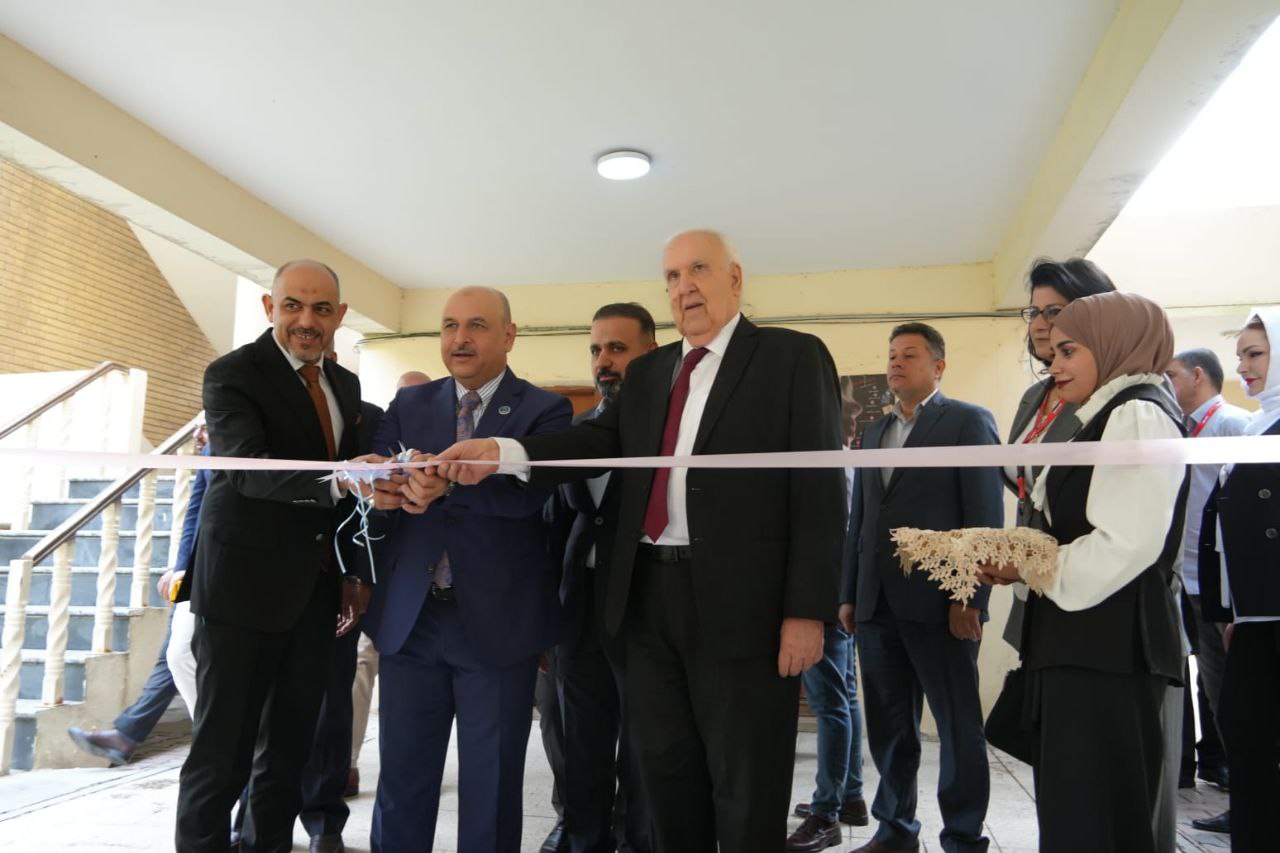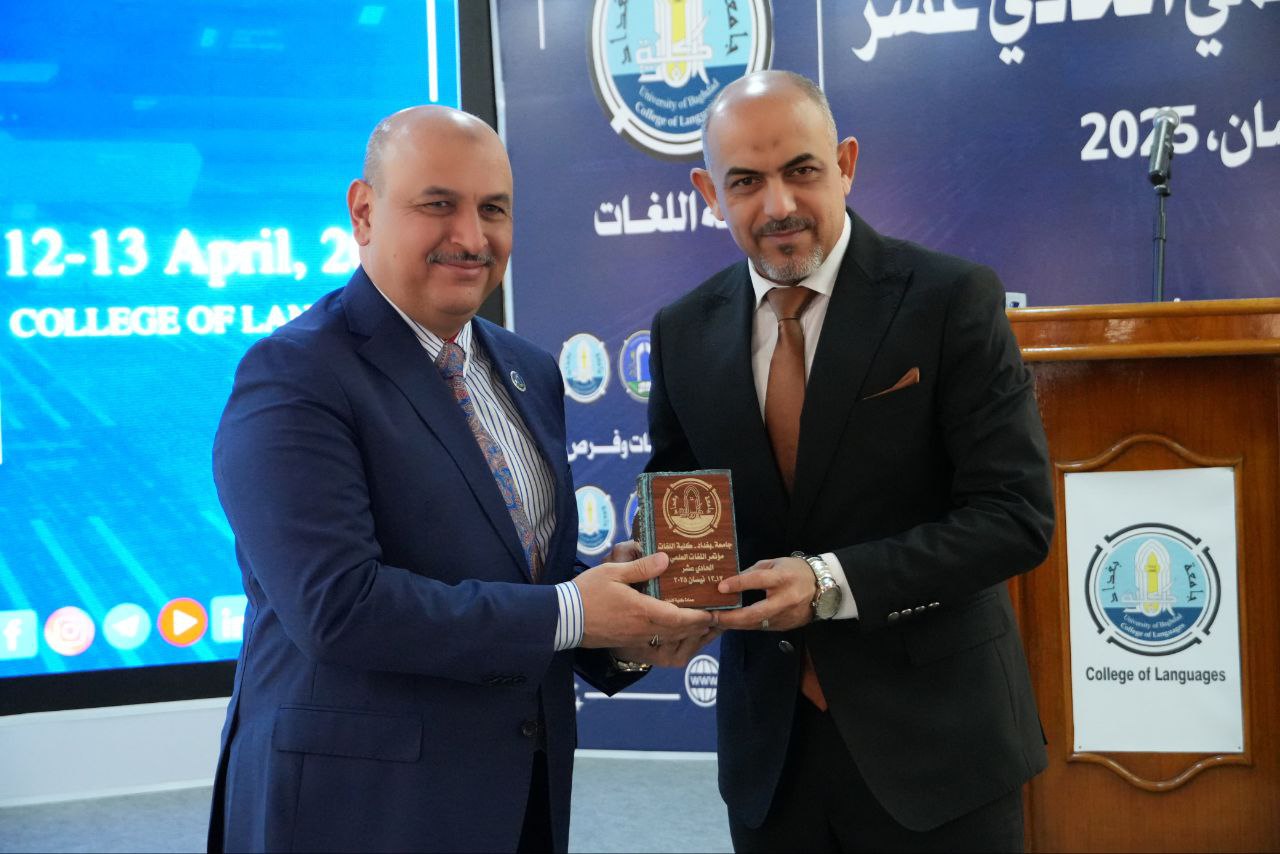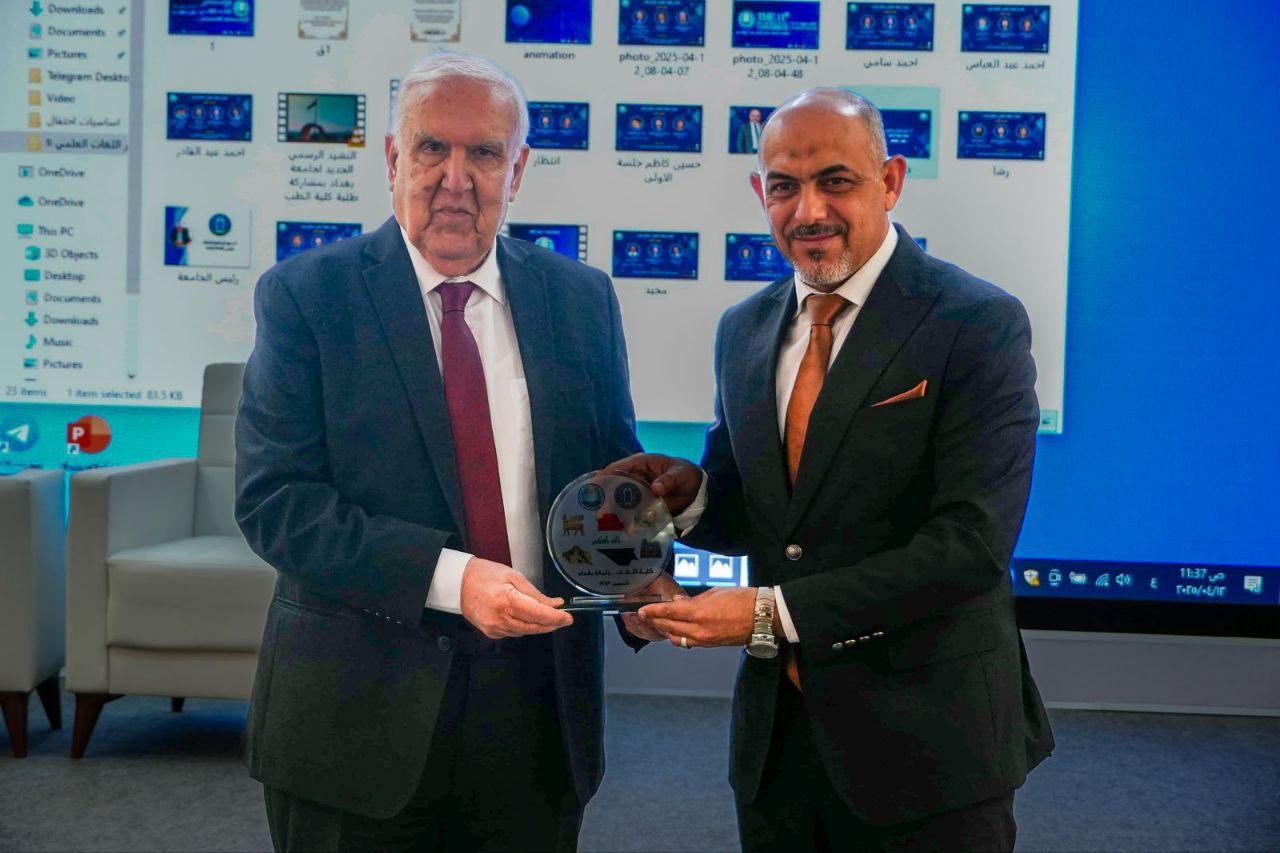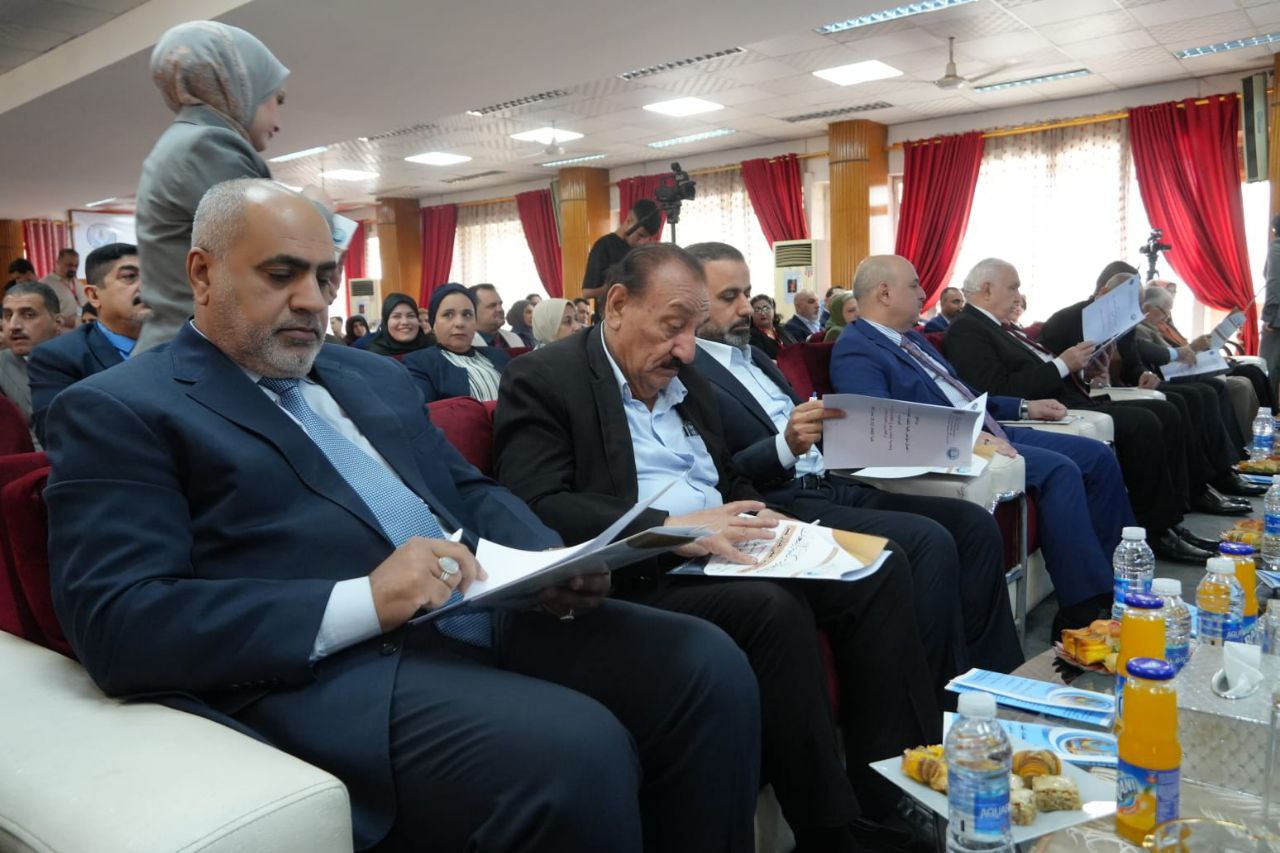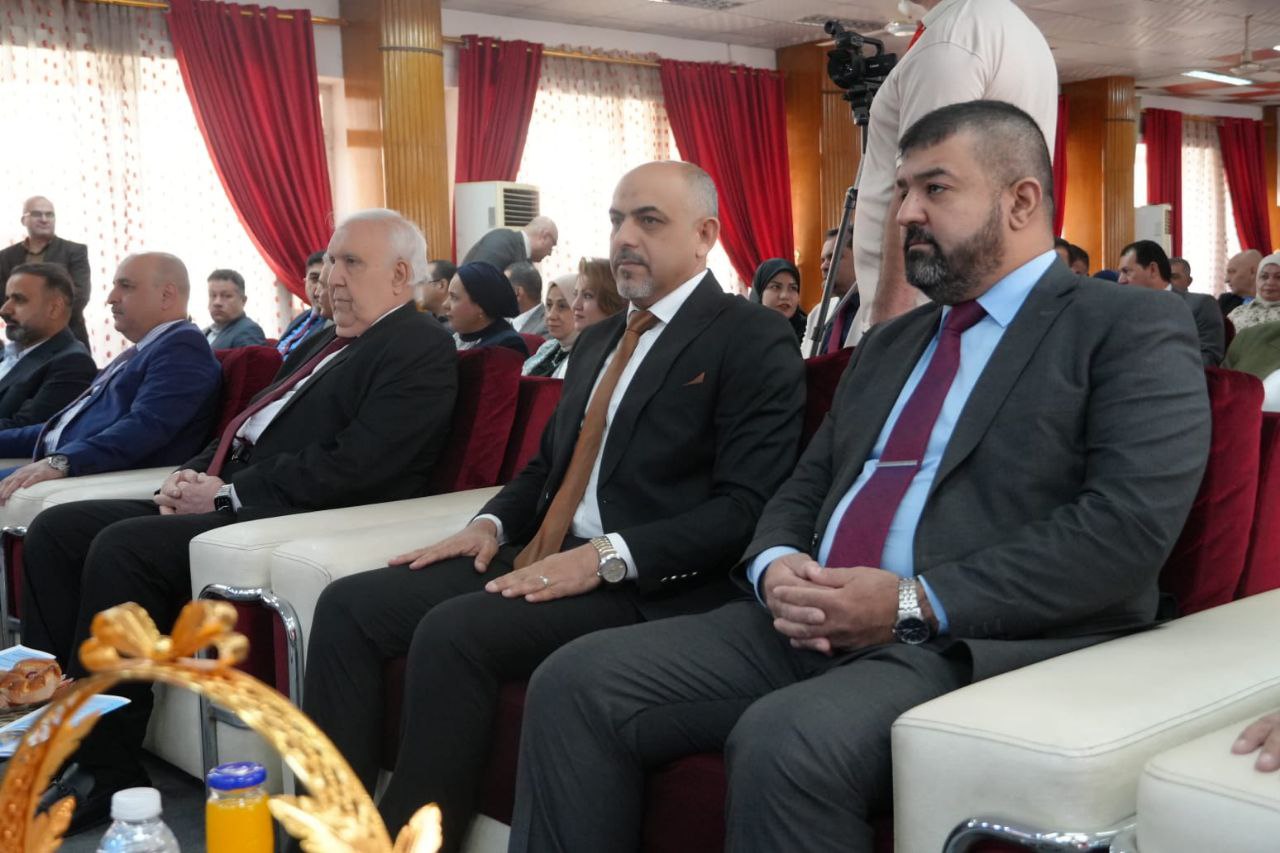
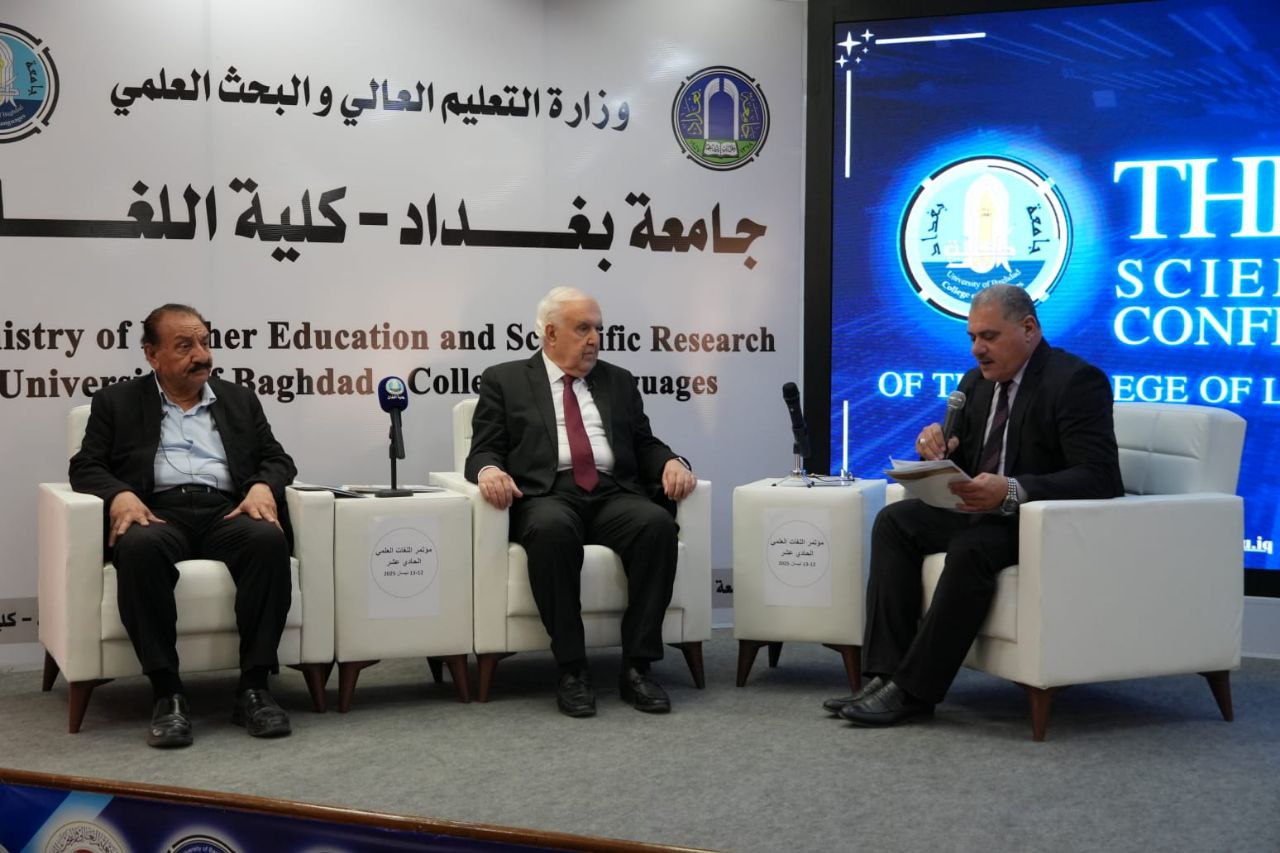
The College of Languages at the University of Baghdad hosted its eleventh scientific conference titled “Multilingualism and Cultural Diversity in the 21st Century: Challenges and Opportunities,“ featuring the participation of a distinguished group of researchers and academics from various universities, presenting a total of 25 research papers.
The conference, attended by Professor Dr. Suhail Najm Abdullah, Vice President for Academic Affairs at the University of Baghdad, representing the university president, aimed to explore the prospects of linguistic and cultural communication in the digital age. Discussions focused on the challenges posed by linguistic and cultural diversity in the era of digital globalization, emphasizing the significance of technology in facilitating cross-cultural understanding and preserving cultural identity. The conference also highlighted the role of cultural contexts in teaching foreign languages and encouraged collaboration in research and joint projects to support academic publication and keep pace with the cultural development of foreign languages.
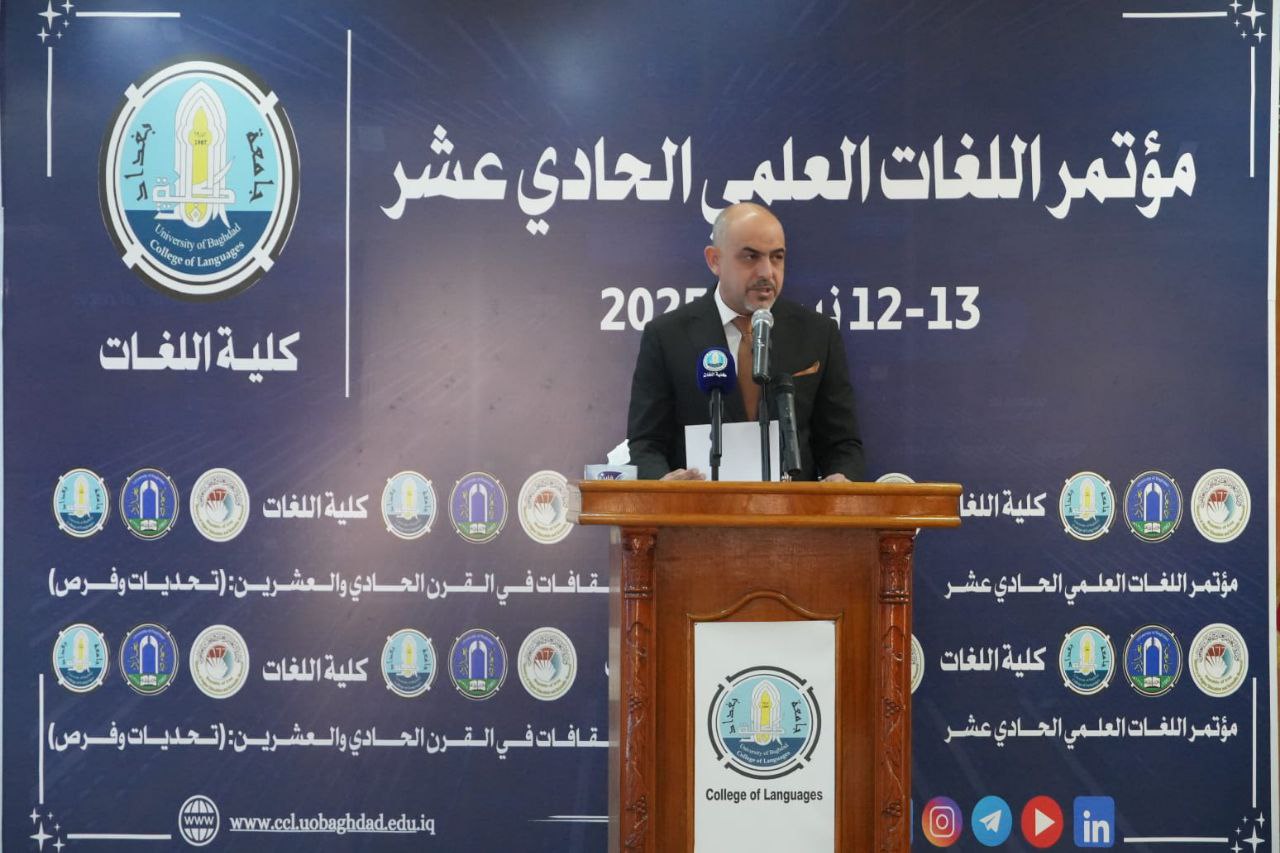
In his opening remarks, the Vice President for Academic Affairs noted that the conference serves as a unique academic platform bringing together researchers and academics to exchange perspectives on the impact of linguistic diversity on contemporary societies. He stressed the importance of addressing the challenges posed by such diversity in this era of rapid technological and cultural advancement while underscoring the University of Baghdad’s commitment to actively contributing to these scientific and academic discussions. The university supports research that emphasizes linguistic and cultural diversity by organizing conferences and initiatives that provide opportunities for researchers to share ideas.
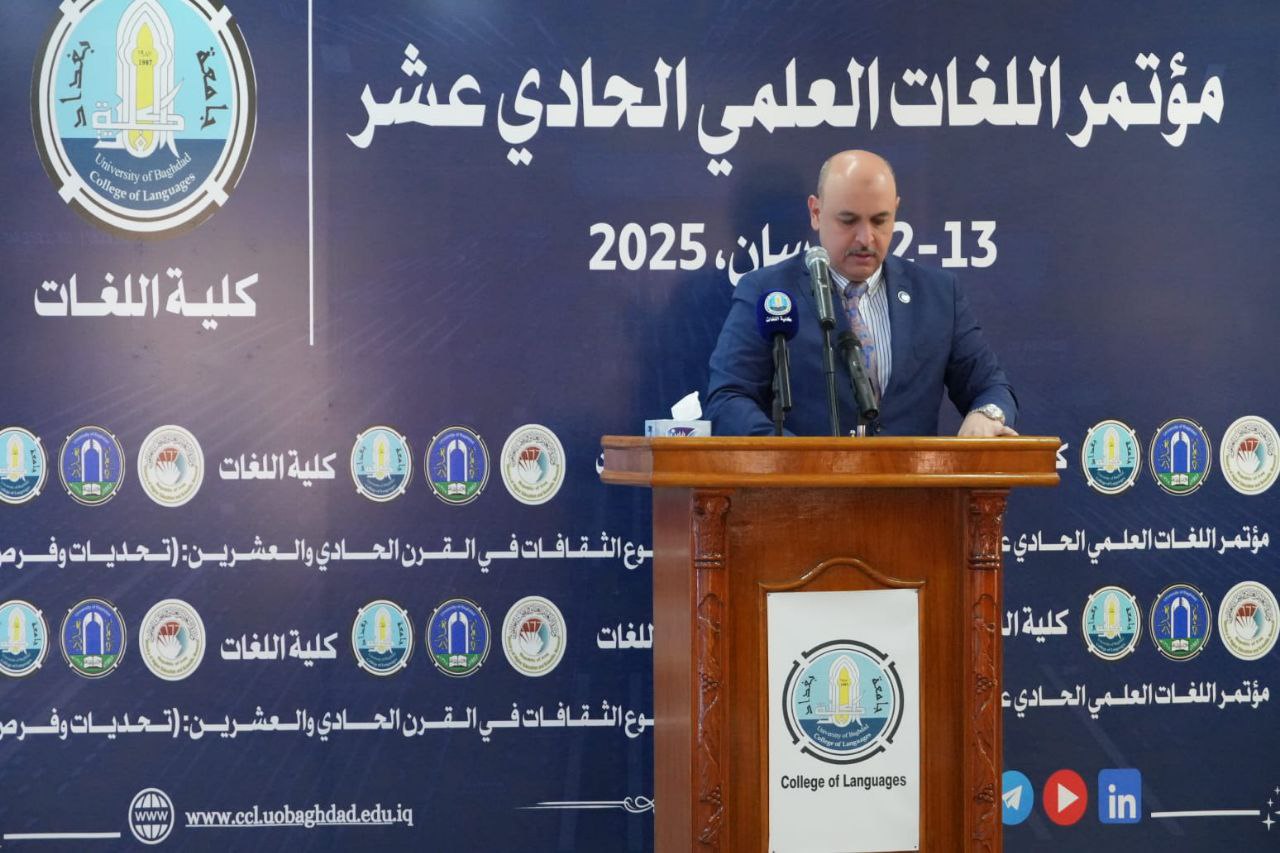
Professor Dr. Ali Adnan Mshoosh, Dean of the College of Languages, emphasized the college’s dedication to hosting scientific conferences and training courses to enrich the field of linguistic research. He explained that the conference serves as an opportunity for collaboration among researchers and specialists in foreign language education, enhancing their capabilities and elevating their proficiency.
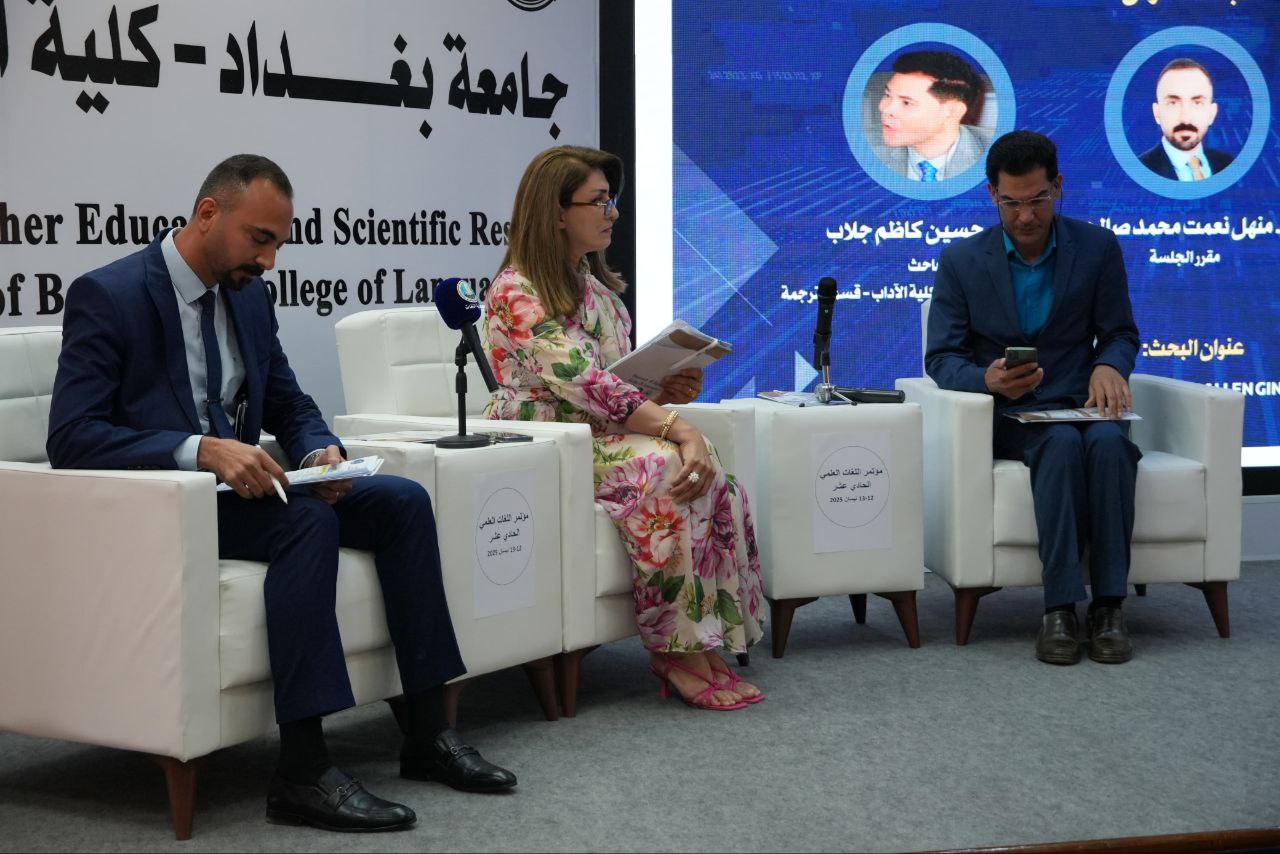
The conference featured the presentation of numerous studies exploring various aspects of cultural diversity in language education. It also included dialogue sessions and discussion panels with experts in the field, addressing topics such as the implications of digital and literary translation for translated literary texts, methodologies of linguistic education, and the structural differences affecting dual-language acquisition.
This conference reflects the College’s commitment to keeping pace with modern developments in language education, promoting scholarly and cultural exchange among researchers and academics worldwide. It underscores the importance of cultural diversity in language education and introduces new insights and strategies for advancing this field.
The conference aligns with Sustainable Development Goal 4, which advocates for quality education by increasing the number of qualified educators through international collaboration and the development of faculty skills. It also supports Goal 17, which emphasizes partnerships for achieving objectives and bolstering academic activities to further the university’s implementation of the Sustainable Development Goals.