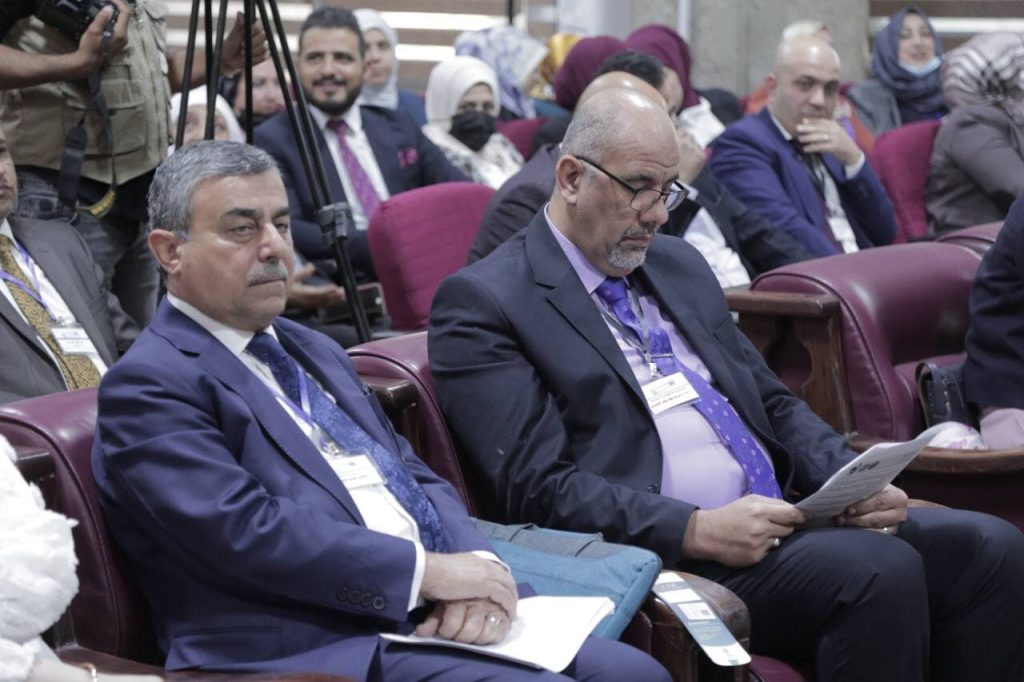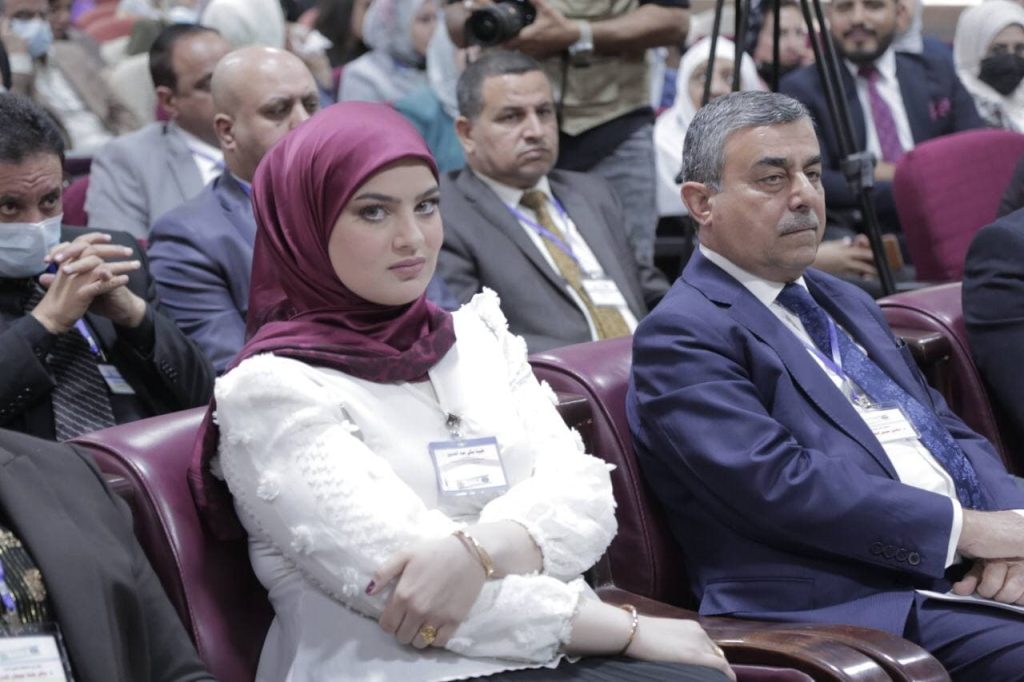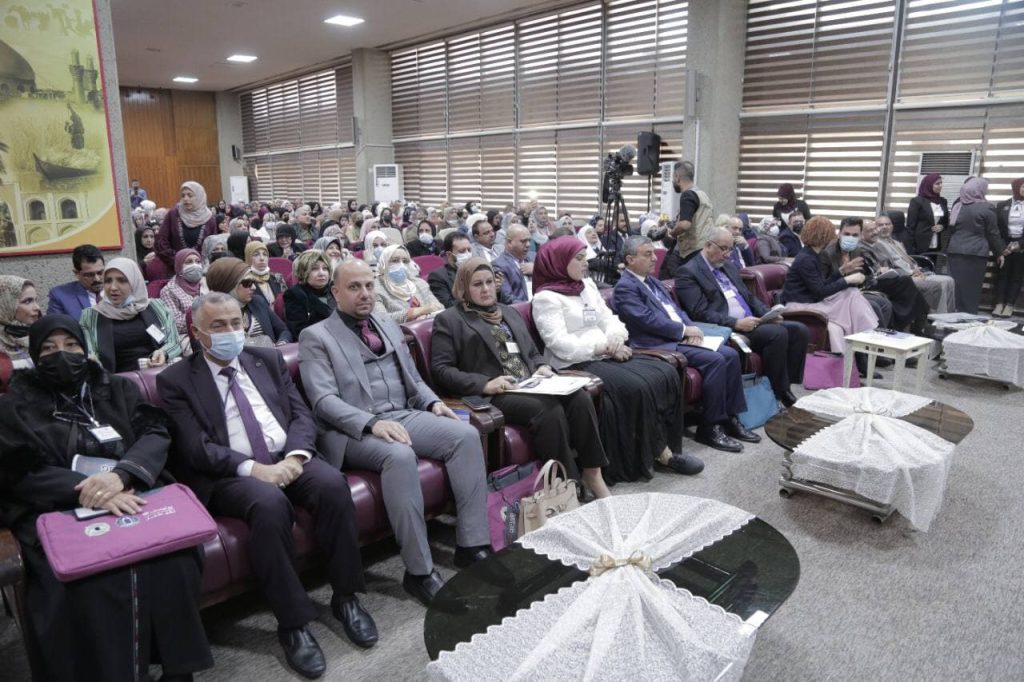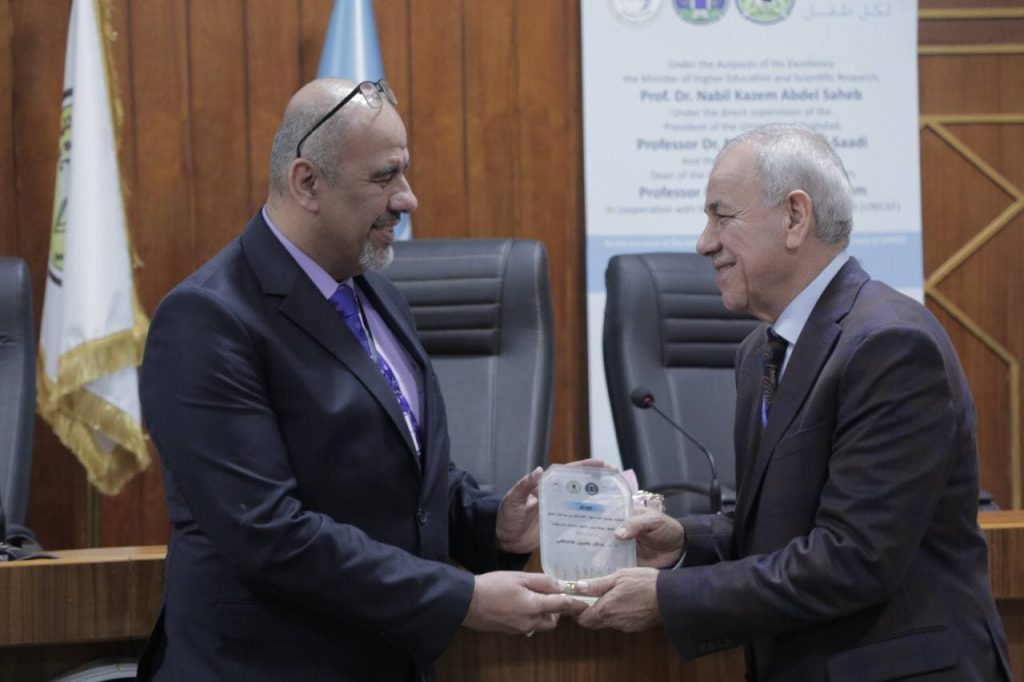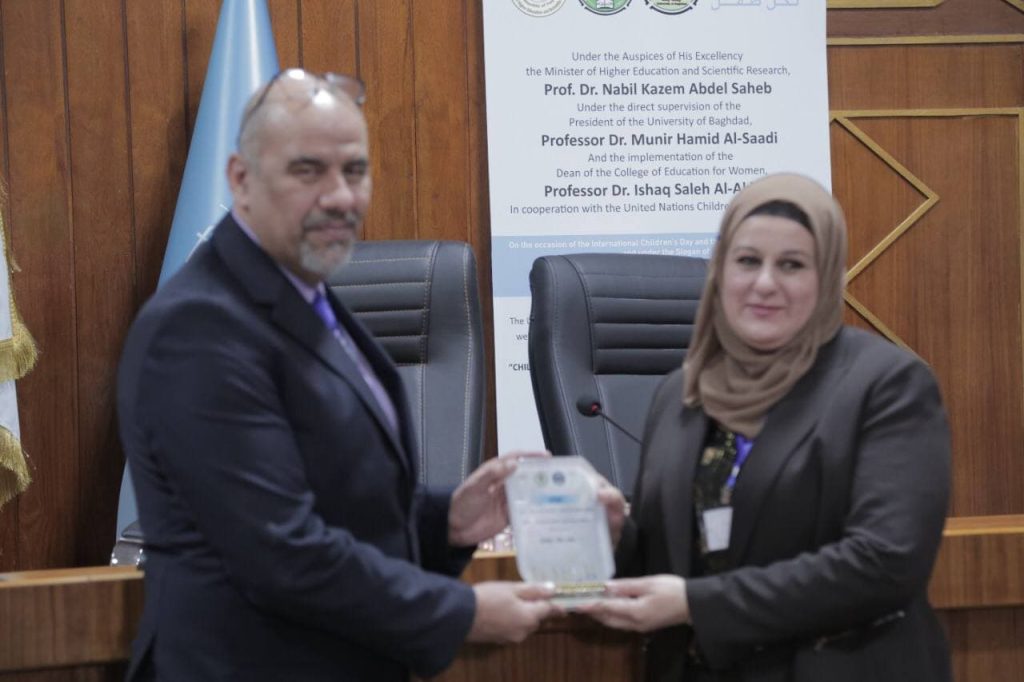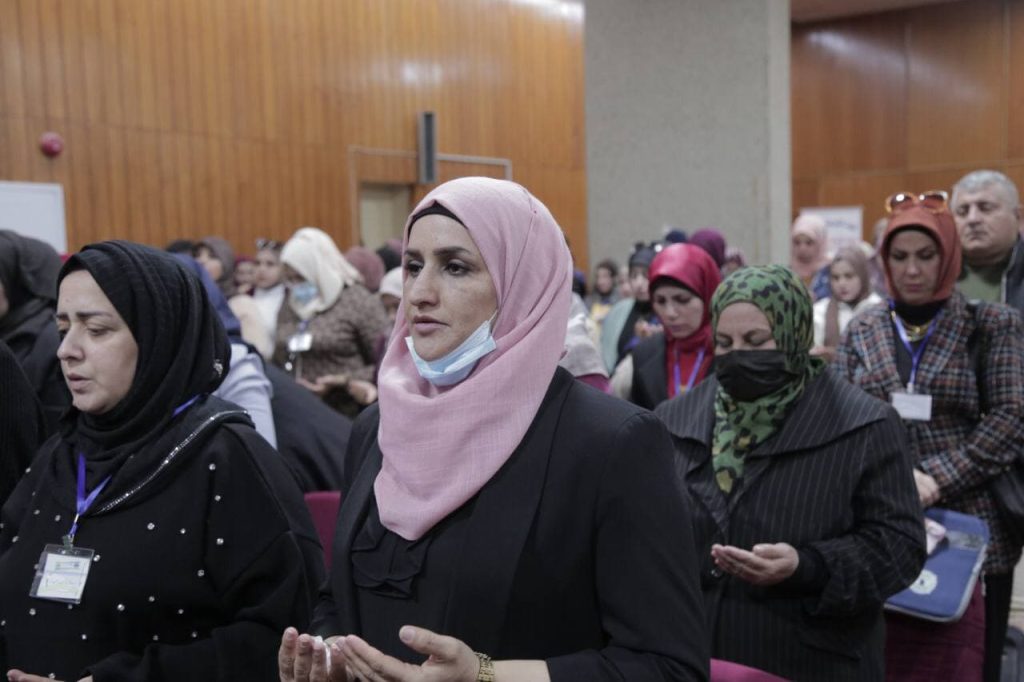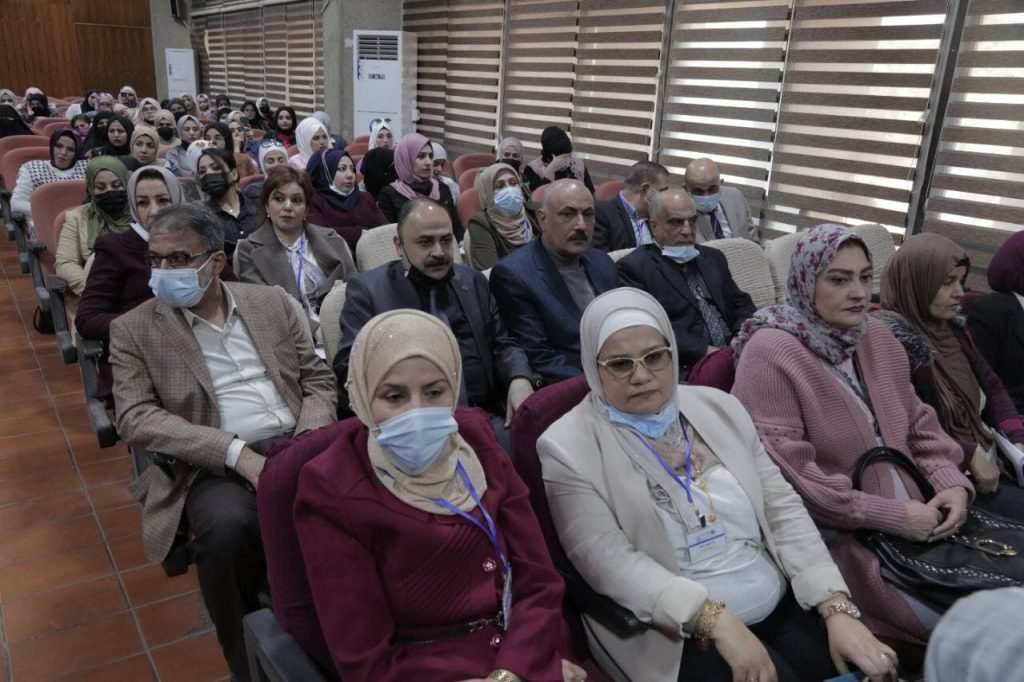
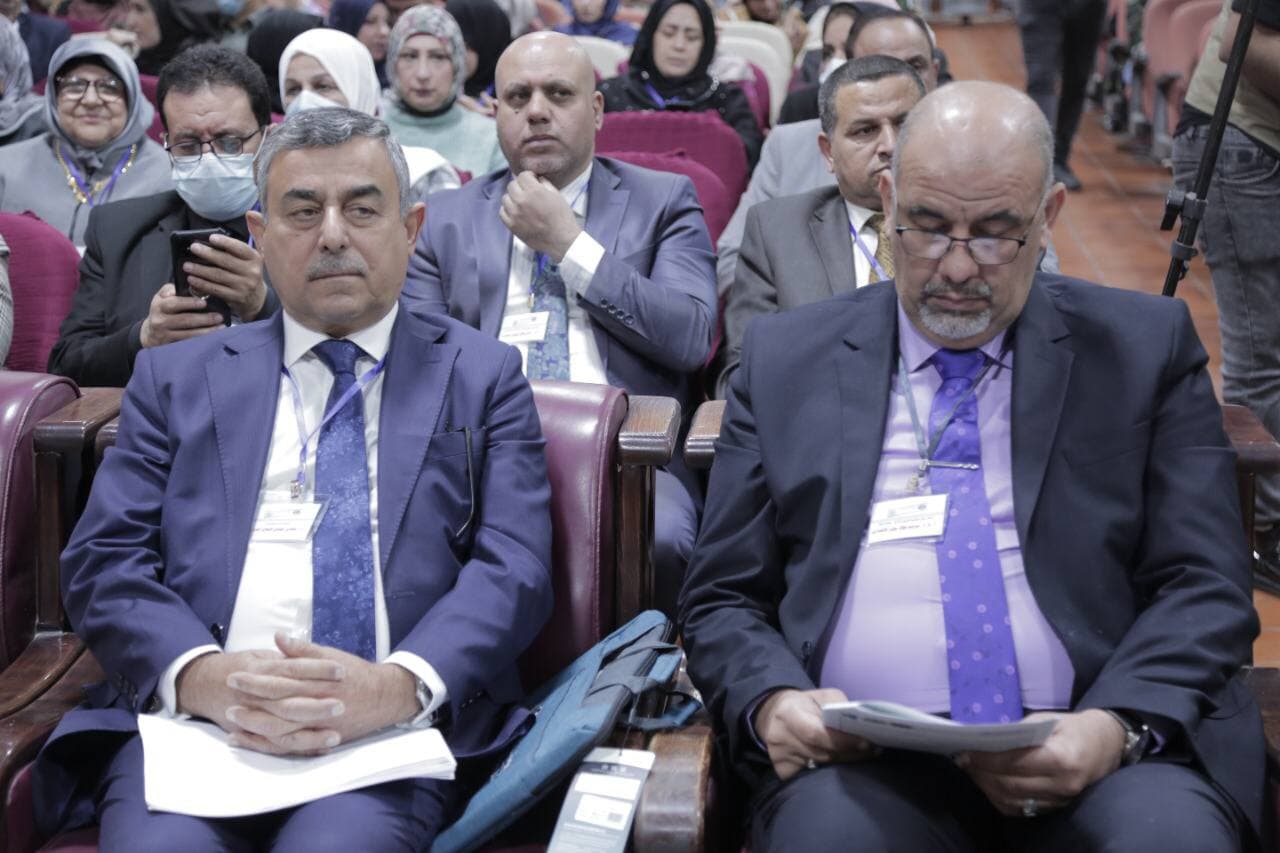
The college of education for women at the University of Baghdad held its first international scientific conference entitled (Childhood and sustainable development: investing in the future of Iraq) on the occasion of world children’s day and the 75th anniversary of UNICEF, in the presence of the assistant rector for administrative affairs, Prof. Dr. Sarmad Fouad, Paula Bulancea, the Deputy Representative of UNICEF in Iraq and a number of representatives of the relevant ministries. The participants highlighted the effects of wars, crises and epidemics in threatening the human security of Iraqi children and identifying the nature of the relationship between poverty, deprivation, orphaning, marginalization and human security of children and determining the impact of health, educational and educational demographic variables on the quality and sustainability of children’s quality of life, as well as providing policy makers and decision makers with recommendations and proposals that enhance the chances of stabilizing the child’s environment and improving the quality of life in society.
The proceedings of the conference also included many topics, such as childhood, multi-dimensional poverty and threats to social integration among children living in forced homes and children in slums between care, neglect and the future of the child in light of the international changes and the impact of environment and collective action in the investment and development of children in Iraq, as well as the poverty of multi-dimensional children and school dropouts. The speeches of the guests addressed the rights of children, upbringing and the development of skills, and the awareness of Iraqi and international public opinion to support the rights of the child and build effective partnerships and networks between civil society organizations and government institutions and academic adopt legislation to guarantee the rights of the child and provide the academic support to workers in this field via government, civil and media institutions and their impact on decision makers in politics and legislation.